Expertise
Architecture is not a collection of disciplines. It is the making of a whole.
Our expertise brings architecture, interiors, planning and landscape together as one continuous design process—where the city becomes a site, the site shapes the building, the building defines space, and space finds meaning through human experience.
Each scale informs the next. Light, proportion, material, movement, climate and landscape become part of a single architectural language, allowing ideas to evolve naturally from the first reading of place to the smallest detail.
Design thinking is balanced with technical understanding and the realities of making. Rather than treating each element in isolation, we search for relationships—between form and function, inside and outside, nature and structure, permanence and change.
For us, expertise is not simply knowing how to build.
It is knowing what deserves to be built, why it should exist, and how every part can belong to the whole.01
Architecture
Architecture begins before the first line is drawn.
It begins with observing life, place and purpose—the movement of people, the character of the land, the path of the sun, the presence of wind, and the aspirations that give a project its reason to exist.
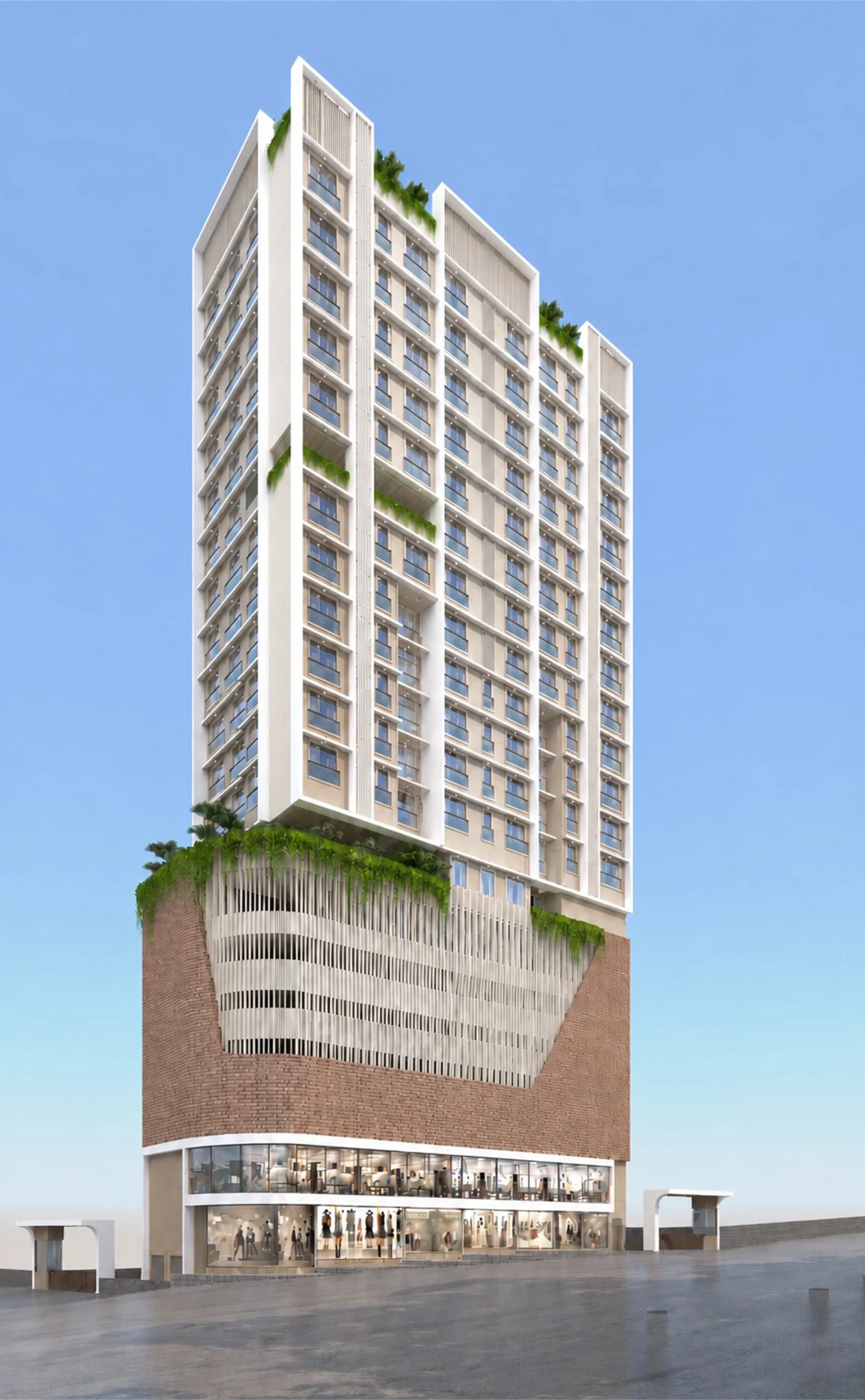
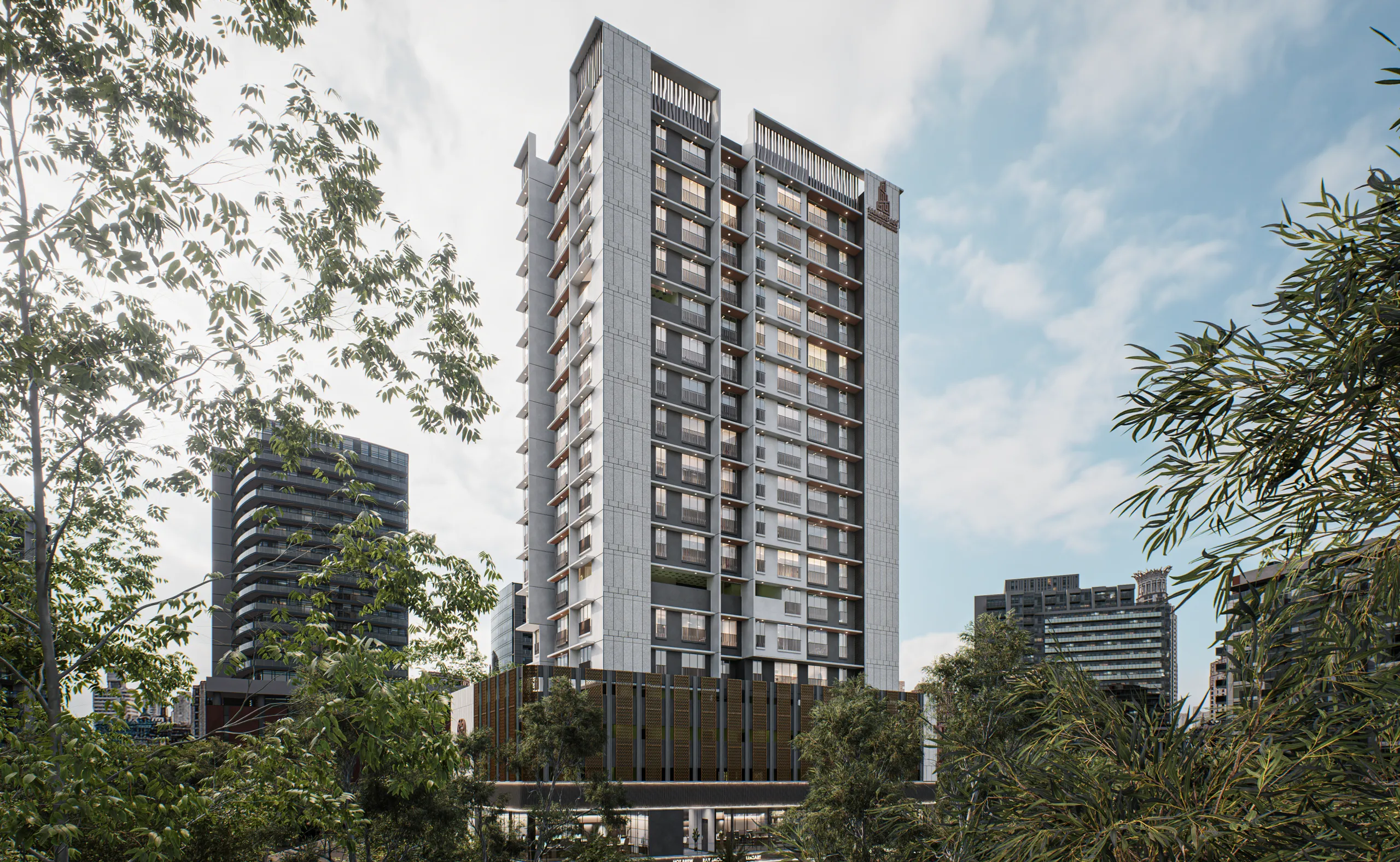
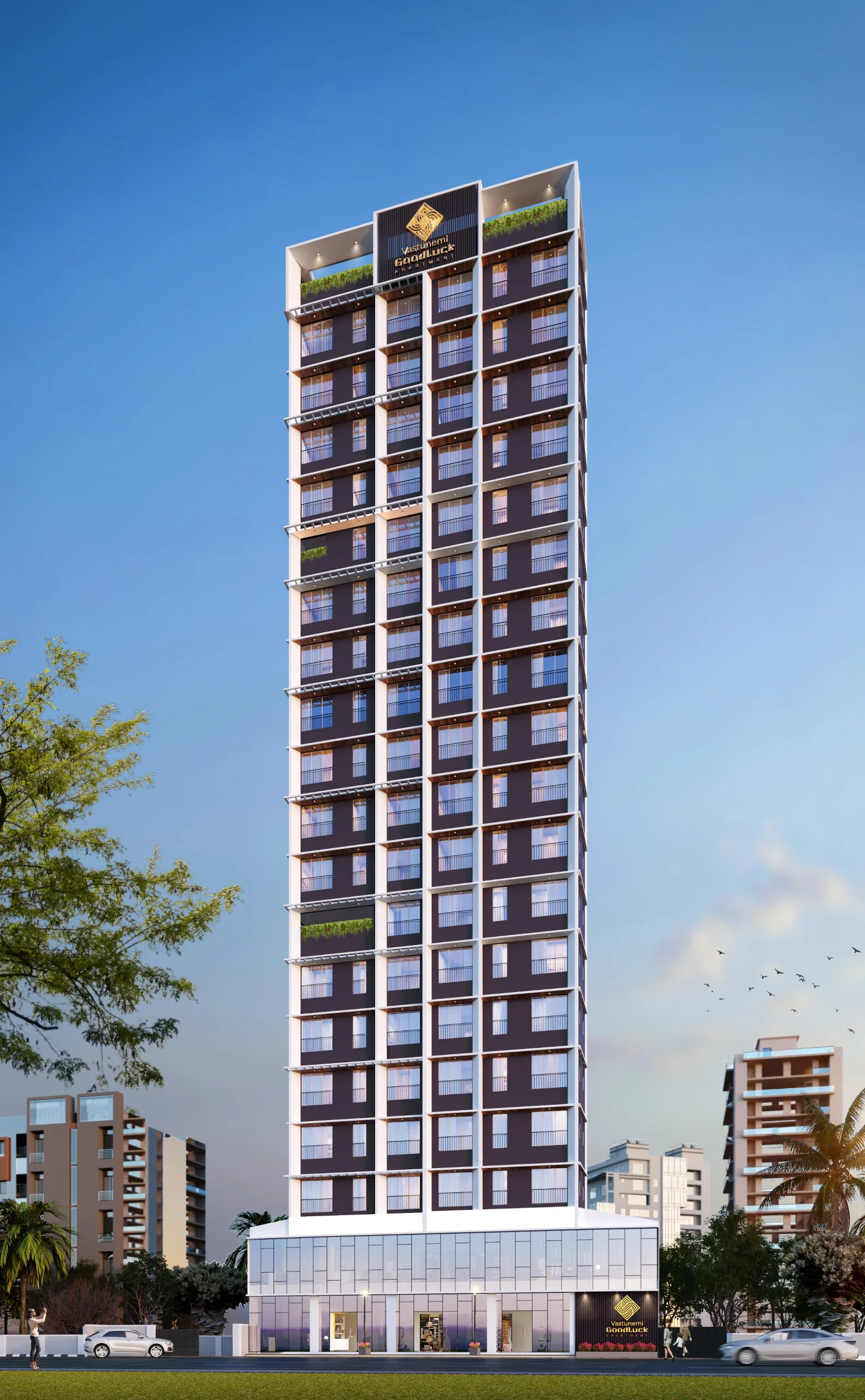
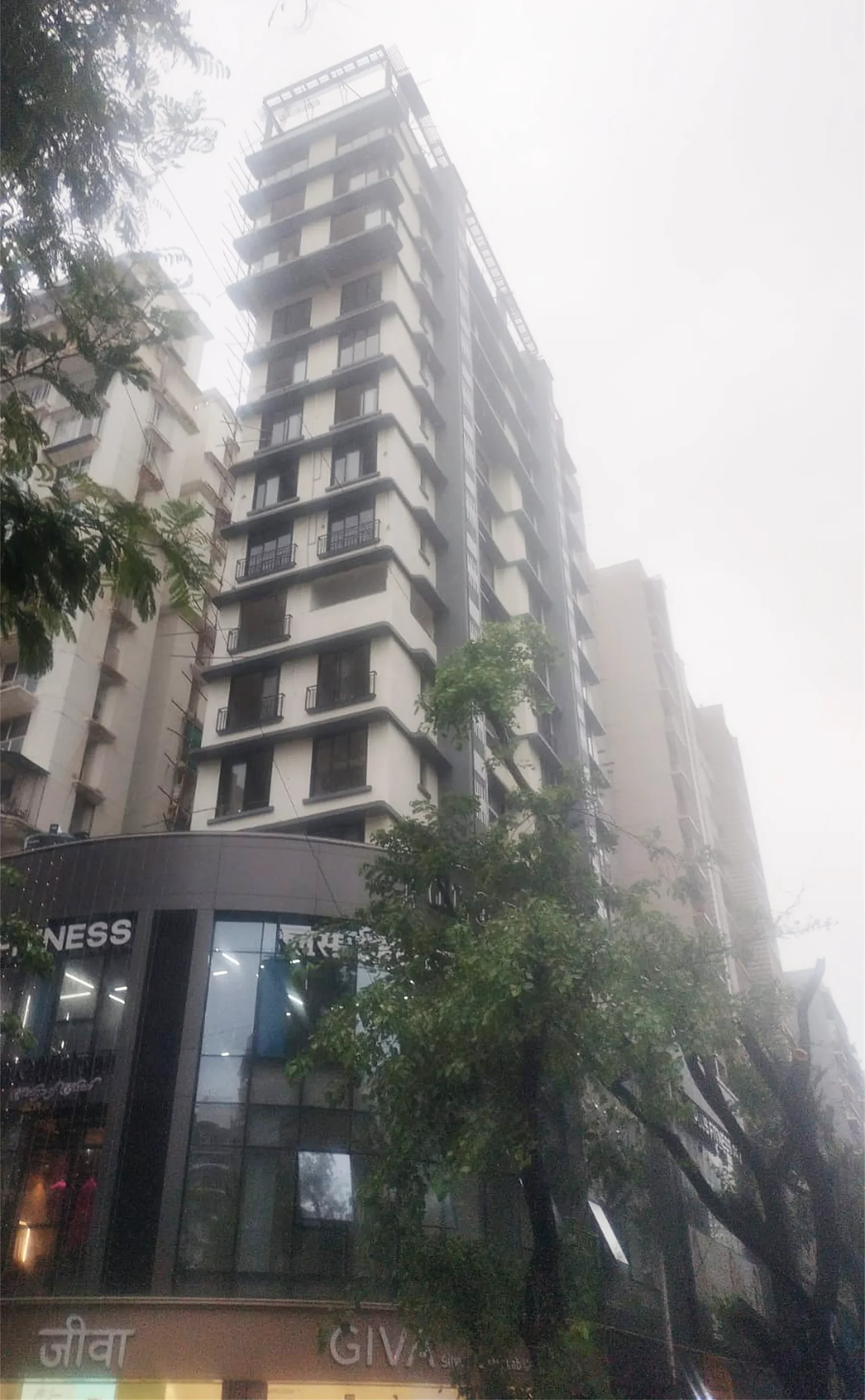
From these observations, architecture begins to take form. Across residential, commercial, institutional and mixed-use projects, we explore proportion, light, movement, material, climate and structure as parts of one spatial composition.
We seek spaces where function finds beauty, where inside and outside remain in dialogue, and where material and light give architecture its atmosphere and identity.
Form, for us, is not an object imposed upon a site. It is a response—shaped by context, refined through purpose and enriched by human experience.
When place, purpose and life come together, architecture becomes more than built form. It becomes a meaningful part of time.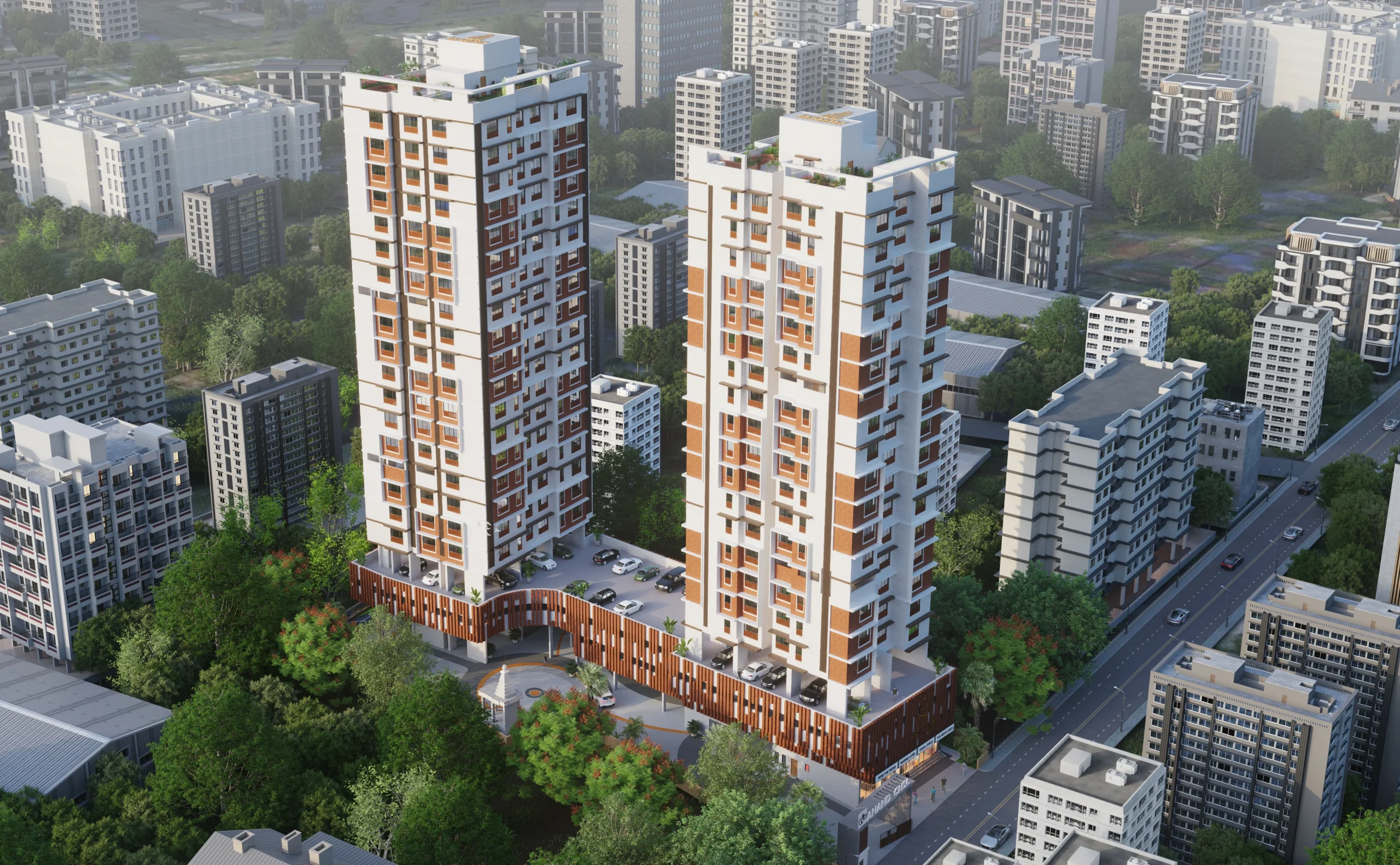
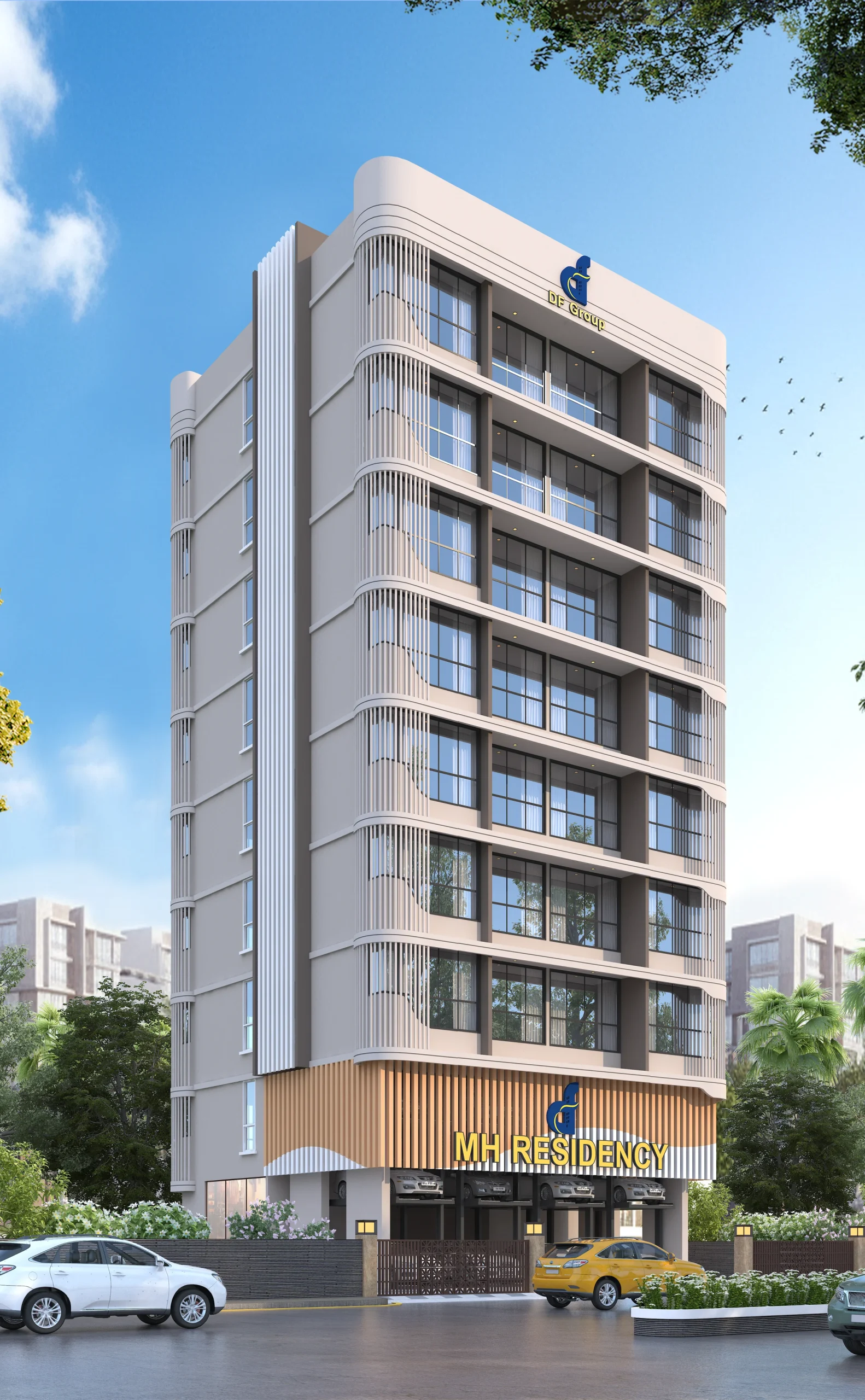
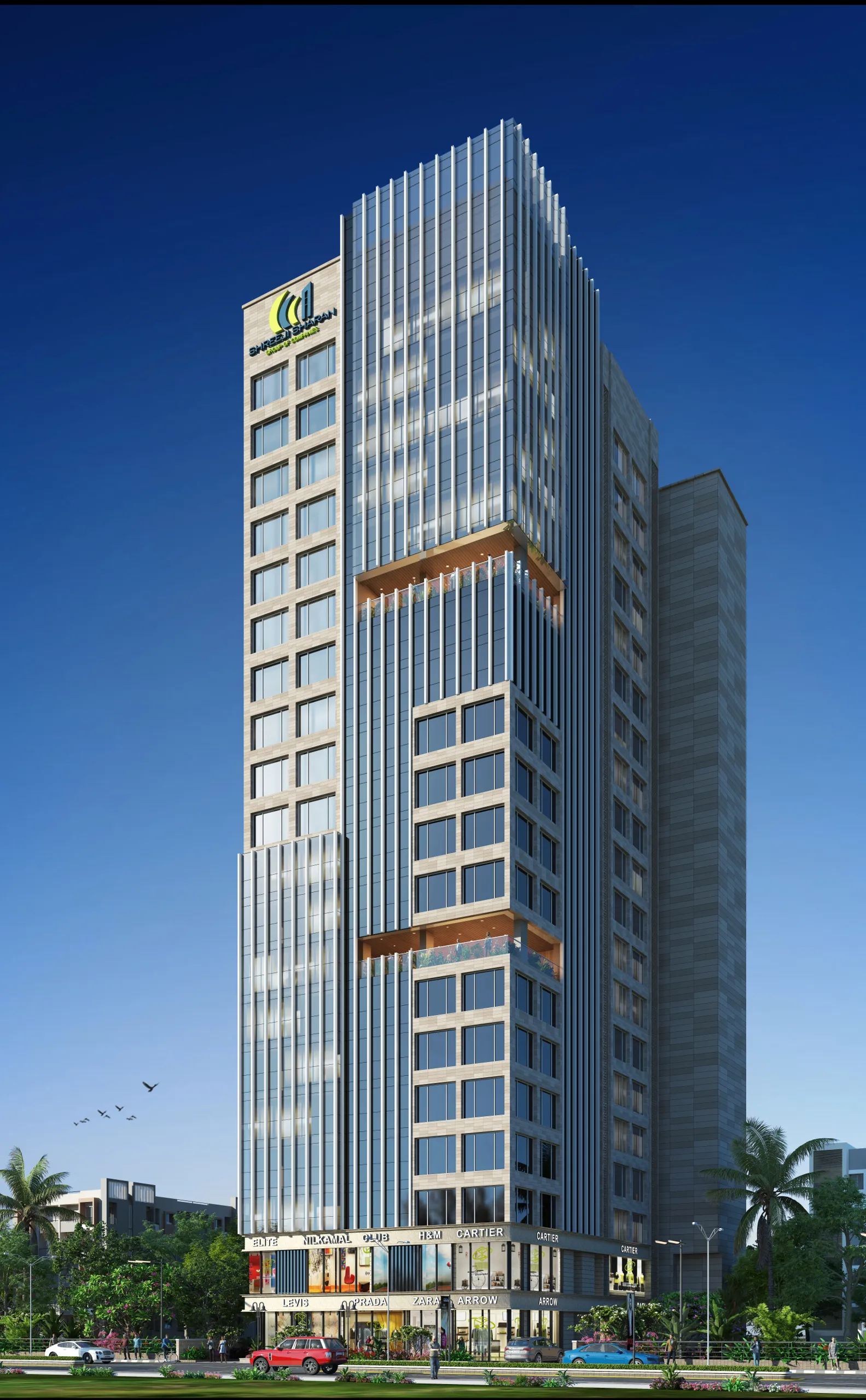
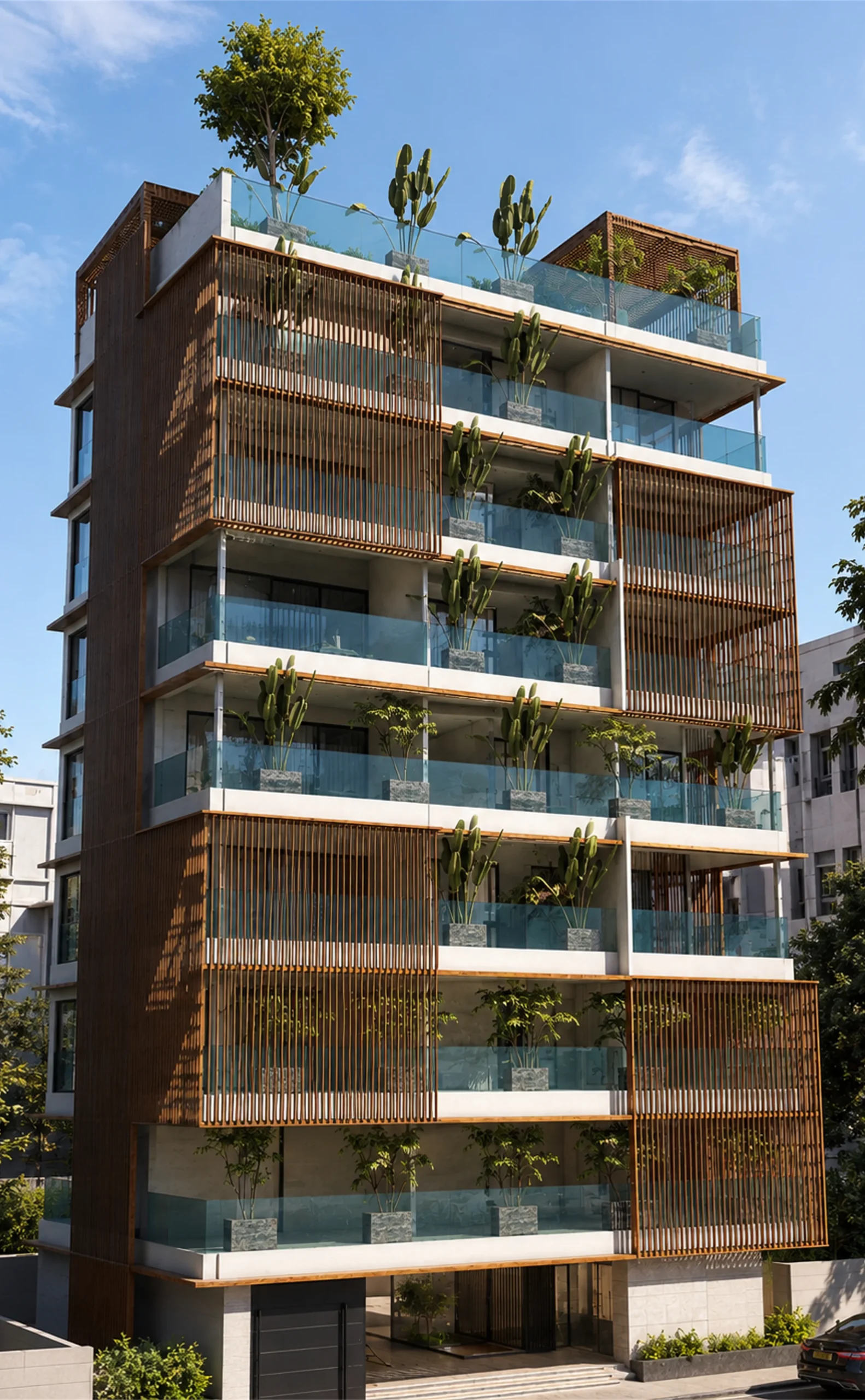
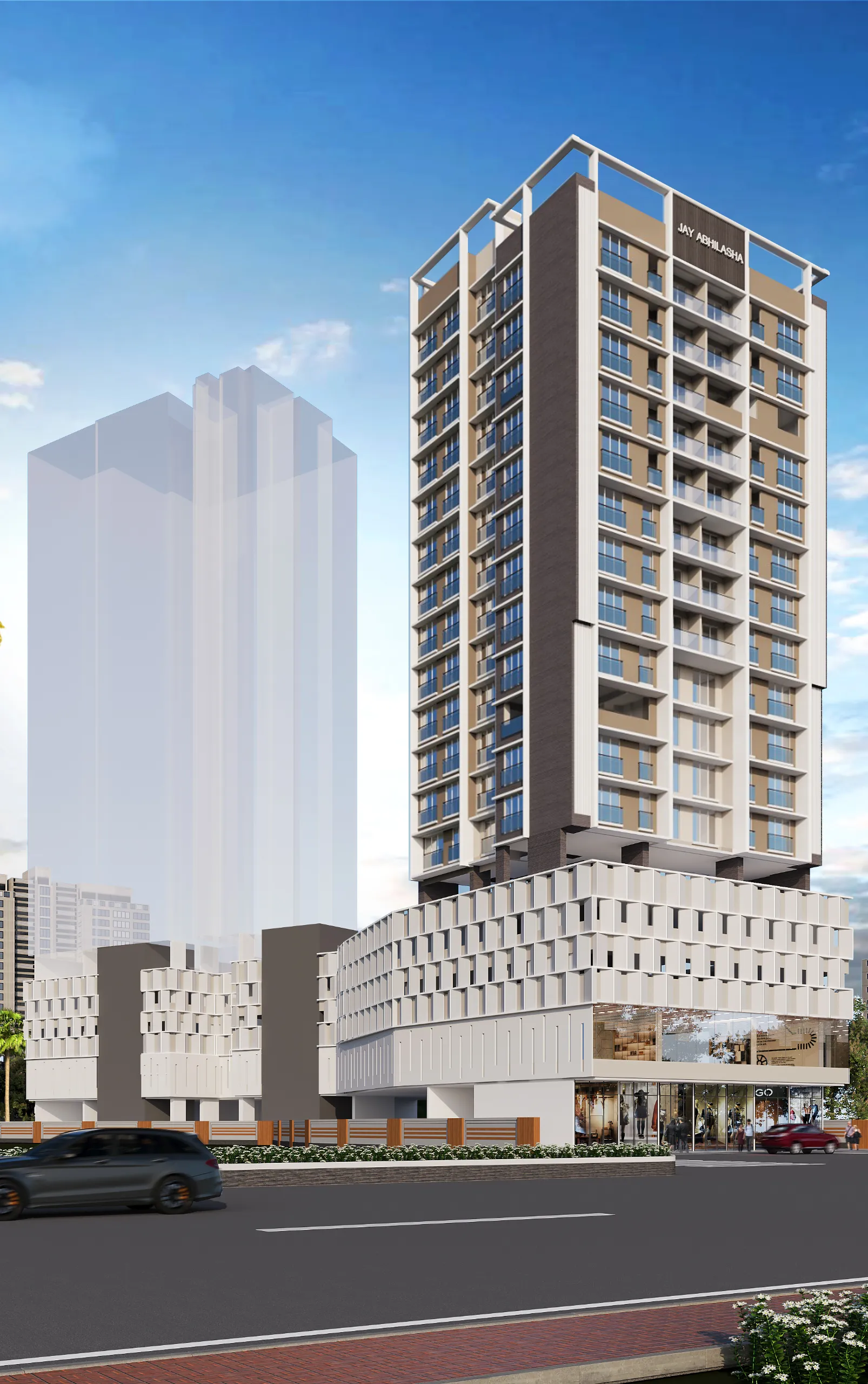
02
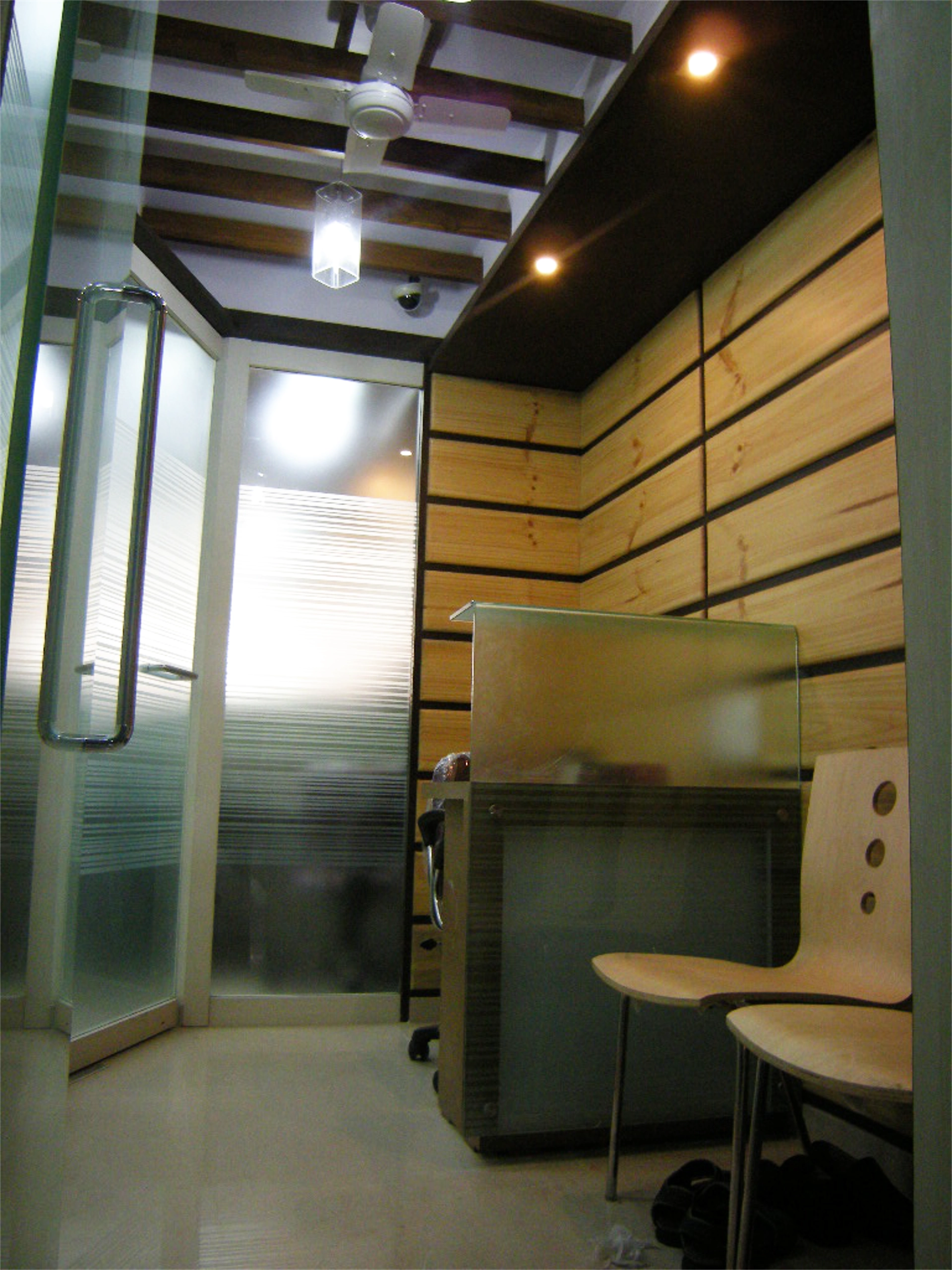
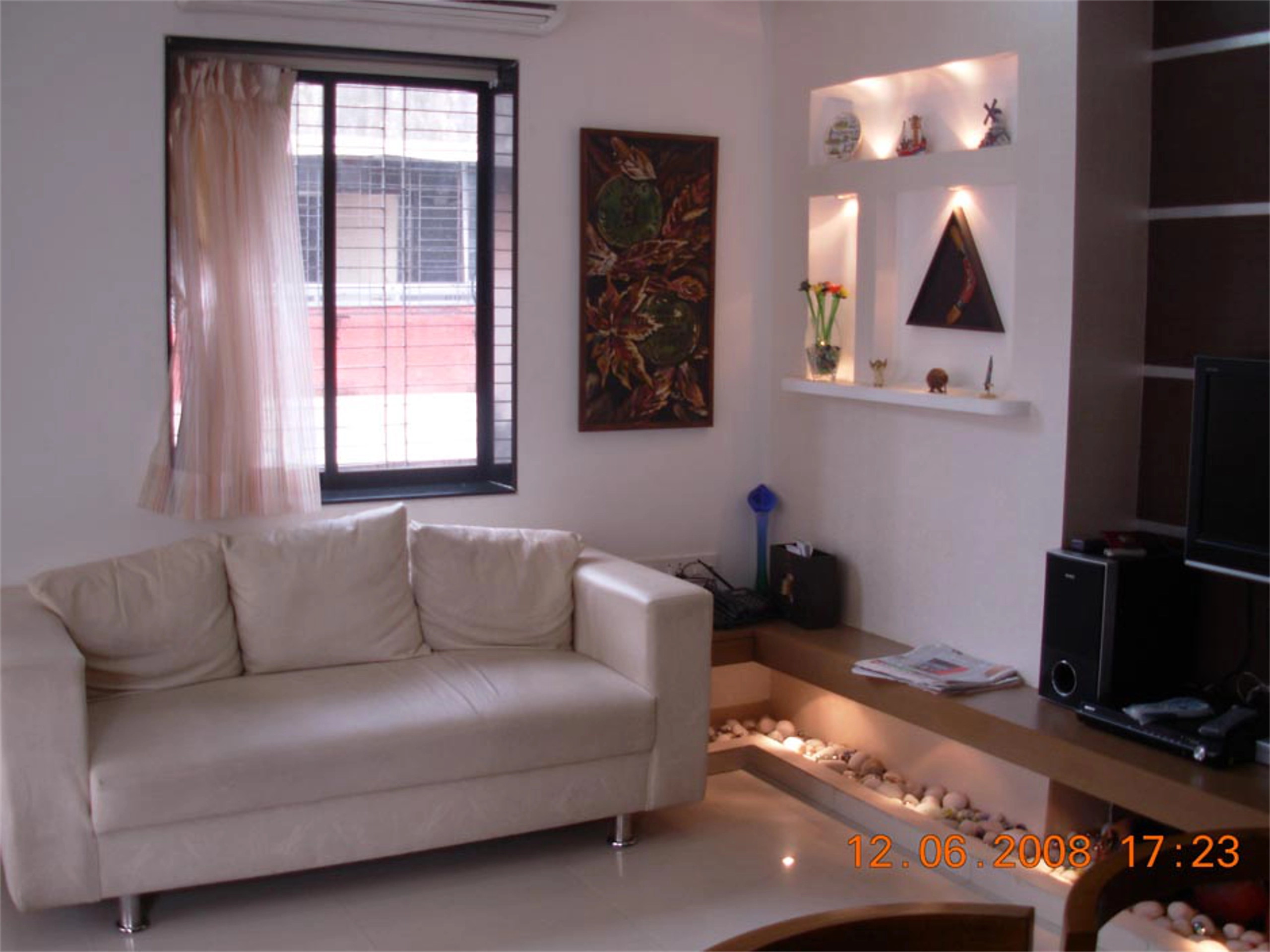
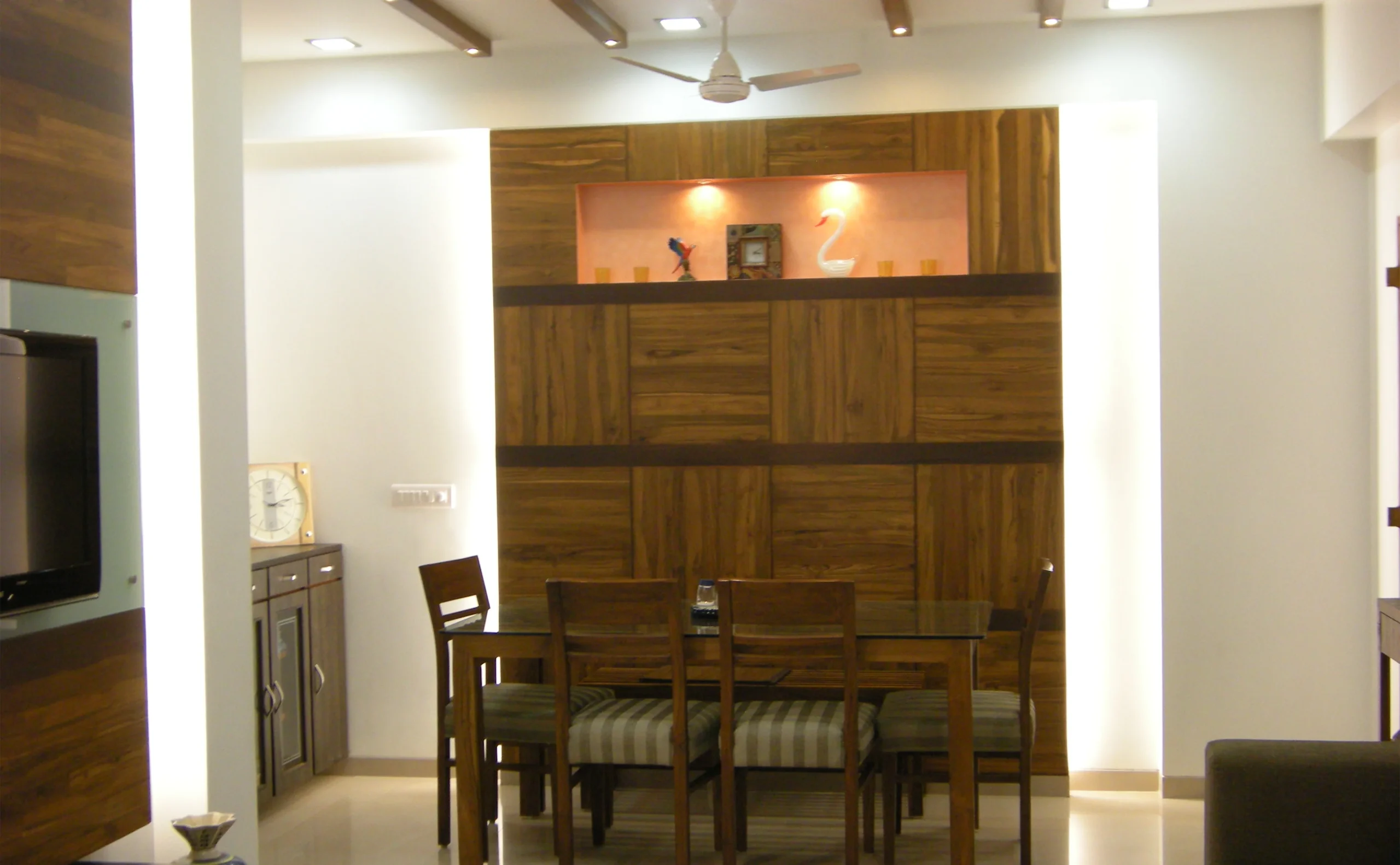
Interior
Interior is where architecture becomes intimate.
It is where space, light, material and human presence come closest together—where architecture is no longer only observed, but touched, inhabited and experienced through everyday life.
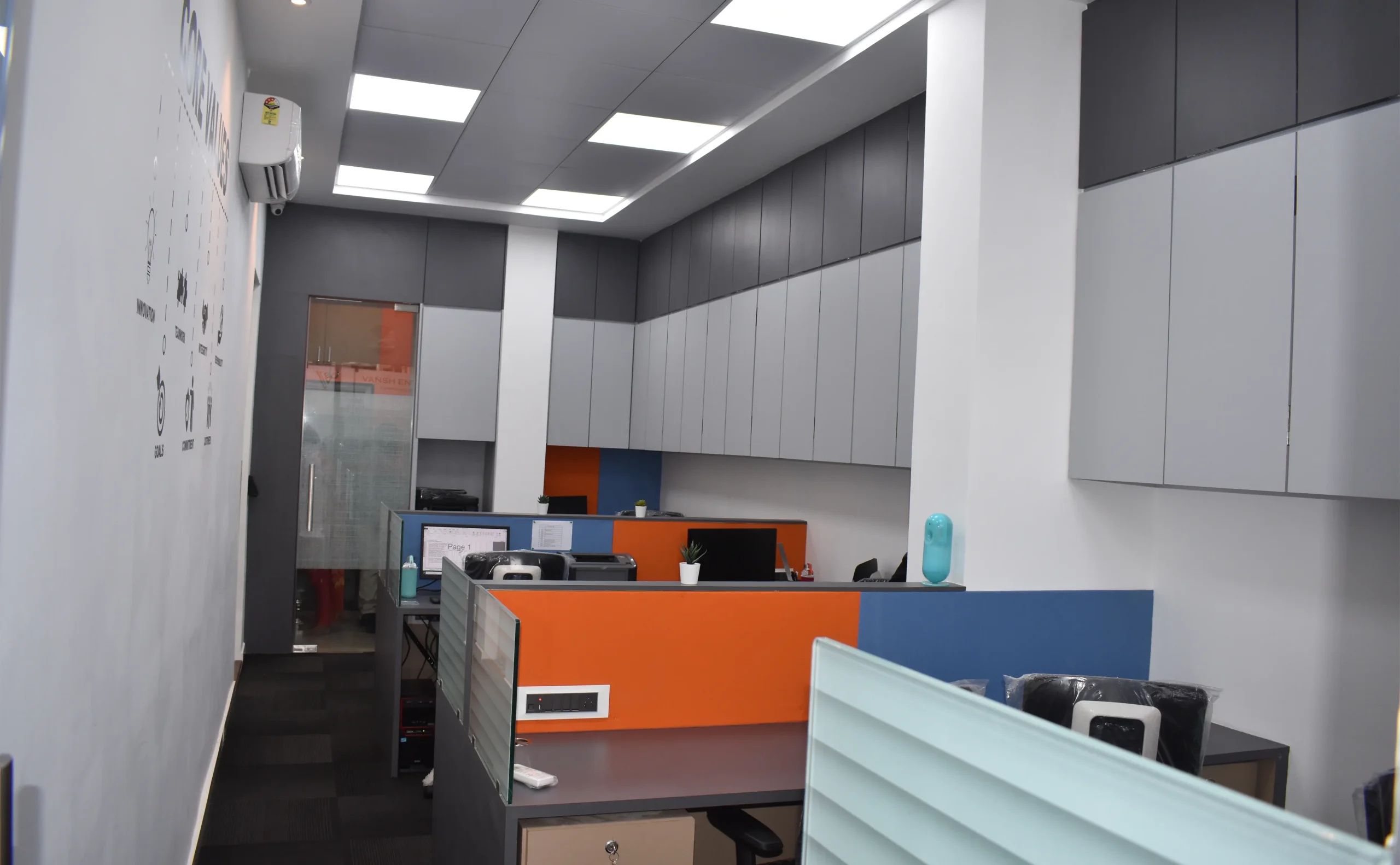
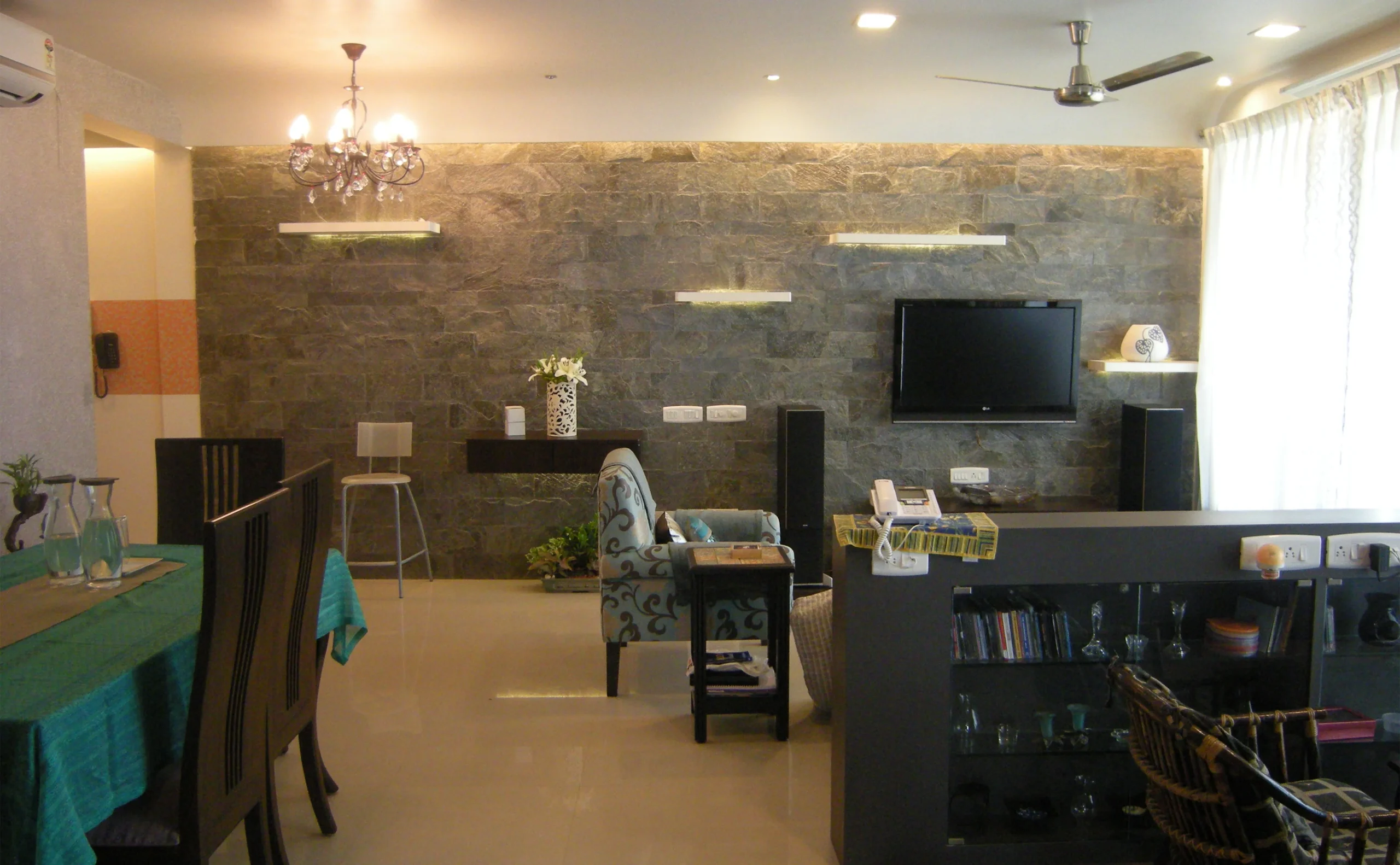
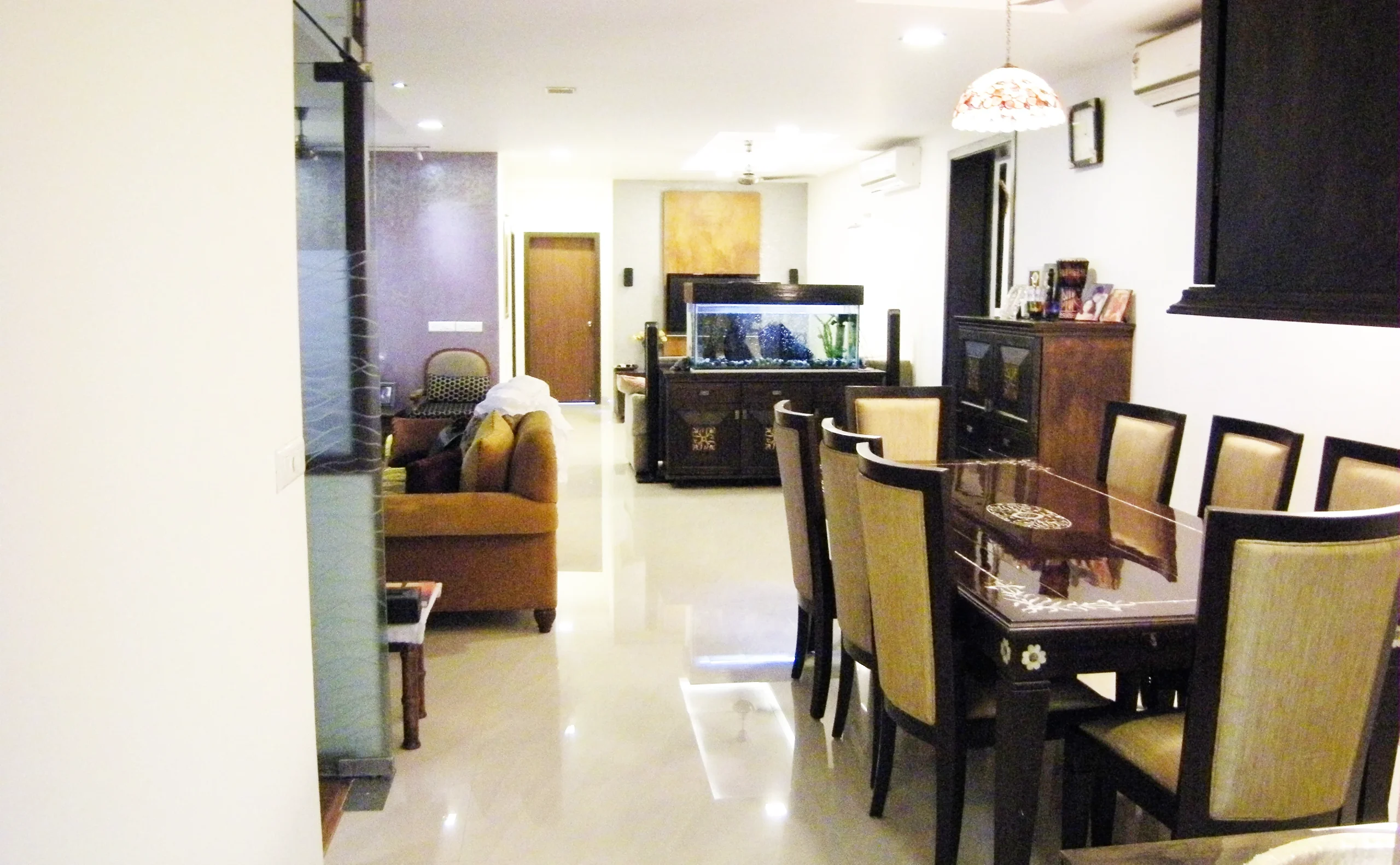
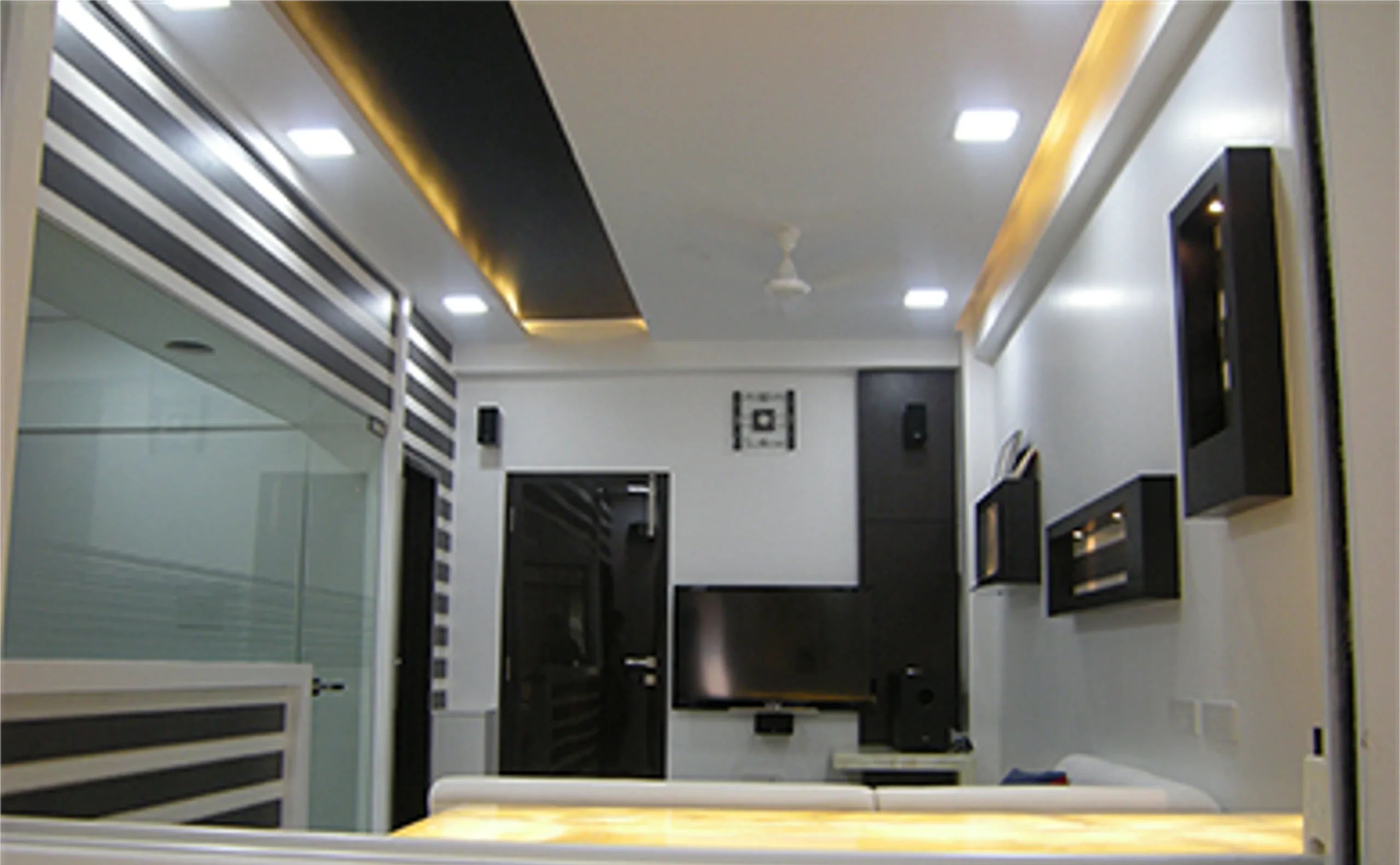
We approach interiors as a continuation of architecture rather than a layer applied to it. Proportion, movement, light, material, furniture and detail are composed as parts of one spatial idea, allowing each element to belong naturally to the whole.
Materials bring texture and memory; light reveals form and changes atmosphere; details establish rhythm, scale and character. Together, they shape spaces that respond to both function and emotion.
We seek interiors that move beyond decoration—spaces with clarity, warmth and a sense of permanence, capable of evolving with the people who inhabit them.
For us, an interior is not what fills a space. It is what gives space its human character.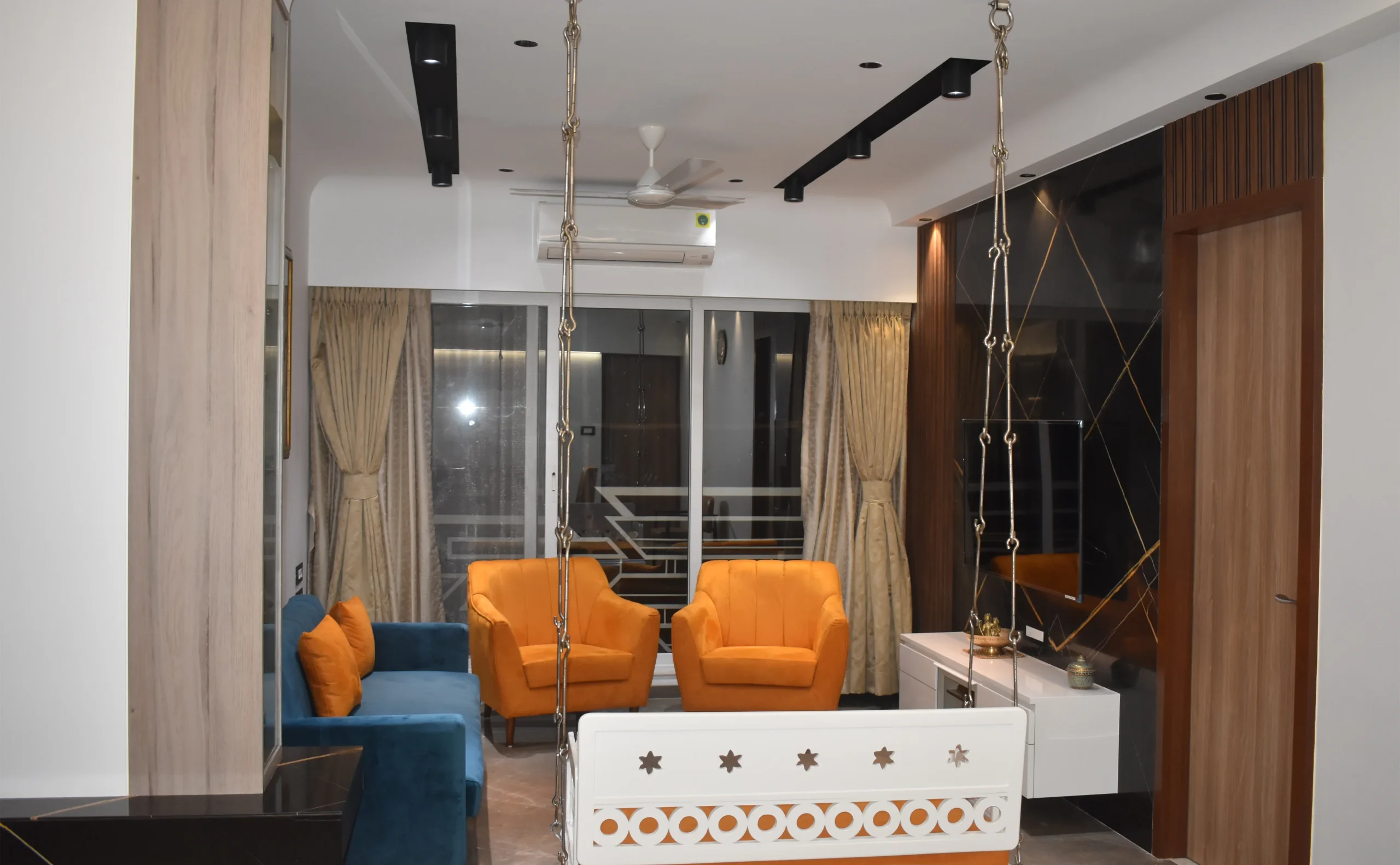
03
Planning
Planning is the art of finding order within the complexity of place.
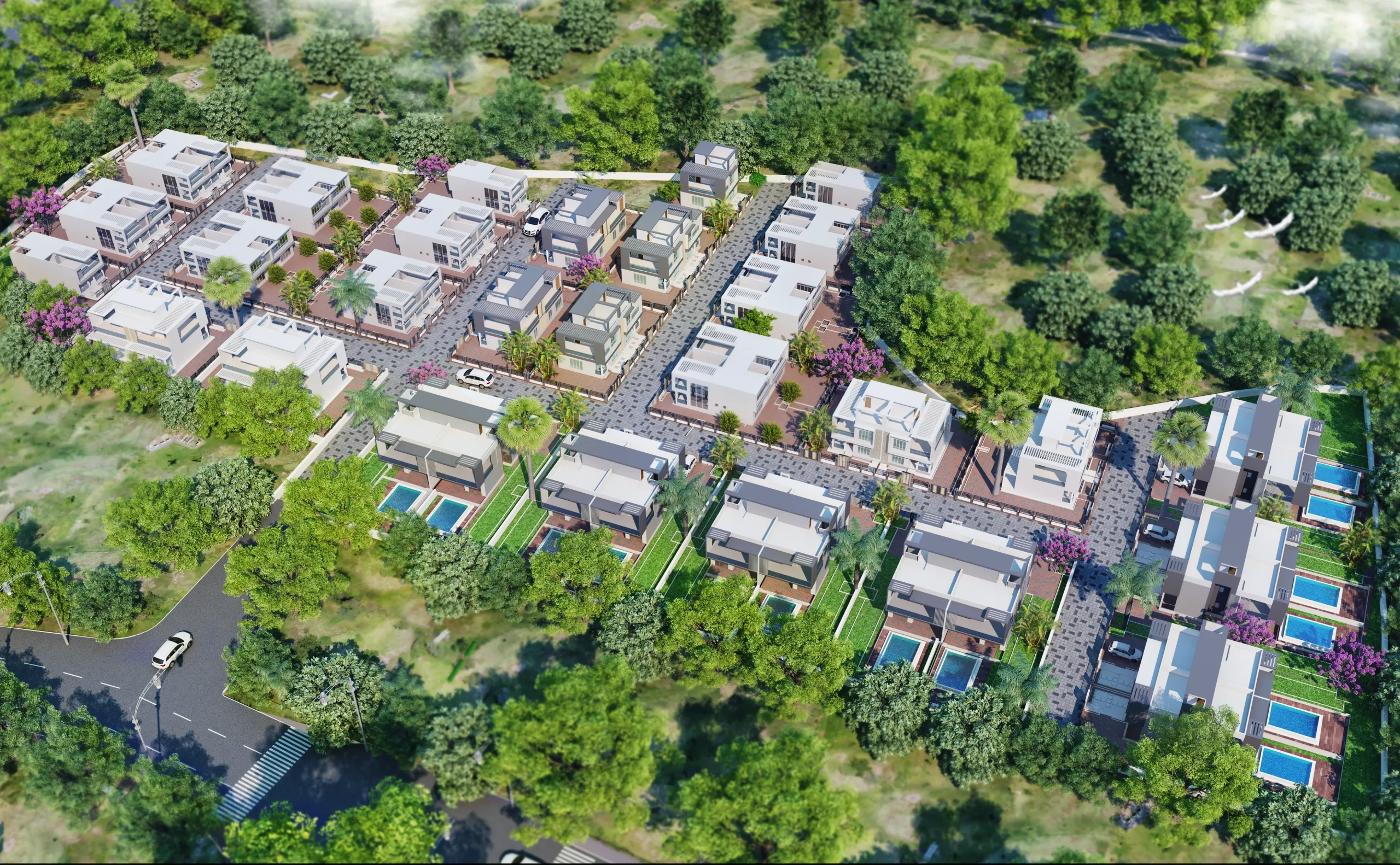
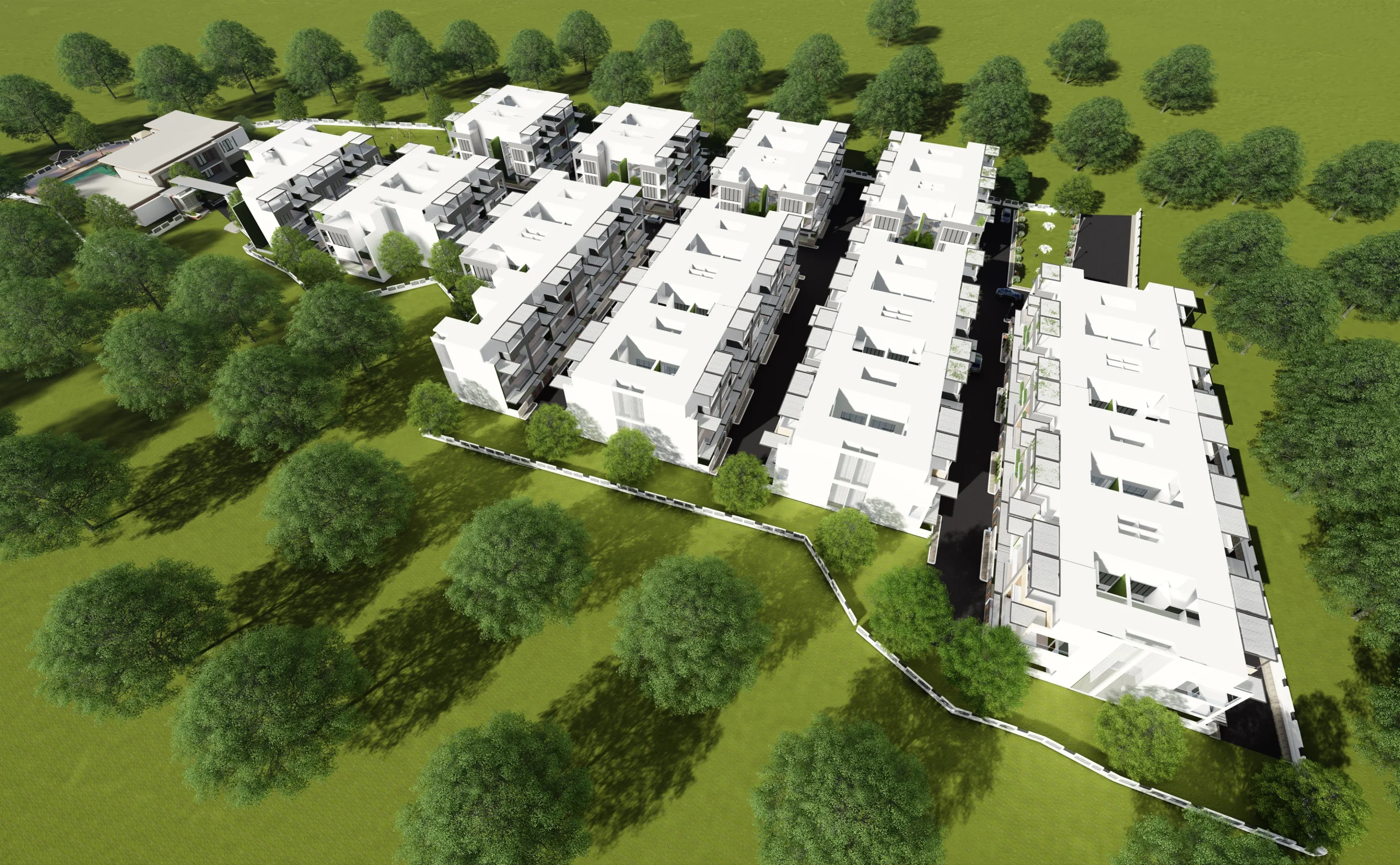
Beyond the individual building lies a larger composition—of streets and landscapes, movement and pause, density and openness, architecture and human life.
We see roads not merely as routes between destinations, but as threads that weave places together. Streets connect neighbourhoods, paths invite movement, open spaces create moments of pause, and landscape gives structure and breathing space to the built environment. Together, they establish the rhythm through which a place is experienced.
Every intervention becomes part of something larger. The position of a building influences a street; a street shapes an open space; an open space gathers people; and over time, these relationships begin to form identity and memory.
We seek frameworks that provide clarity without rigidity, allowing places to grow, adapt and evolve naturally.
Because meaningful places are not made by buildings alone, but by the relationships that unfold between them.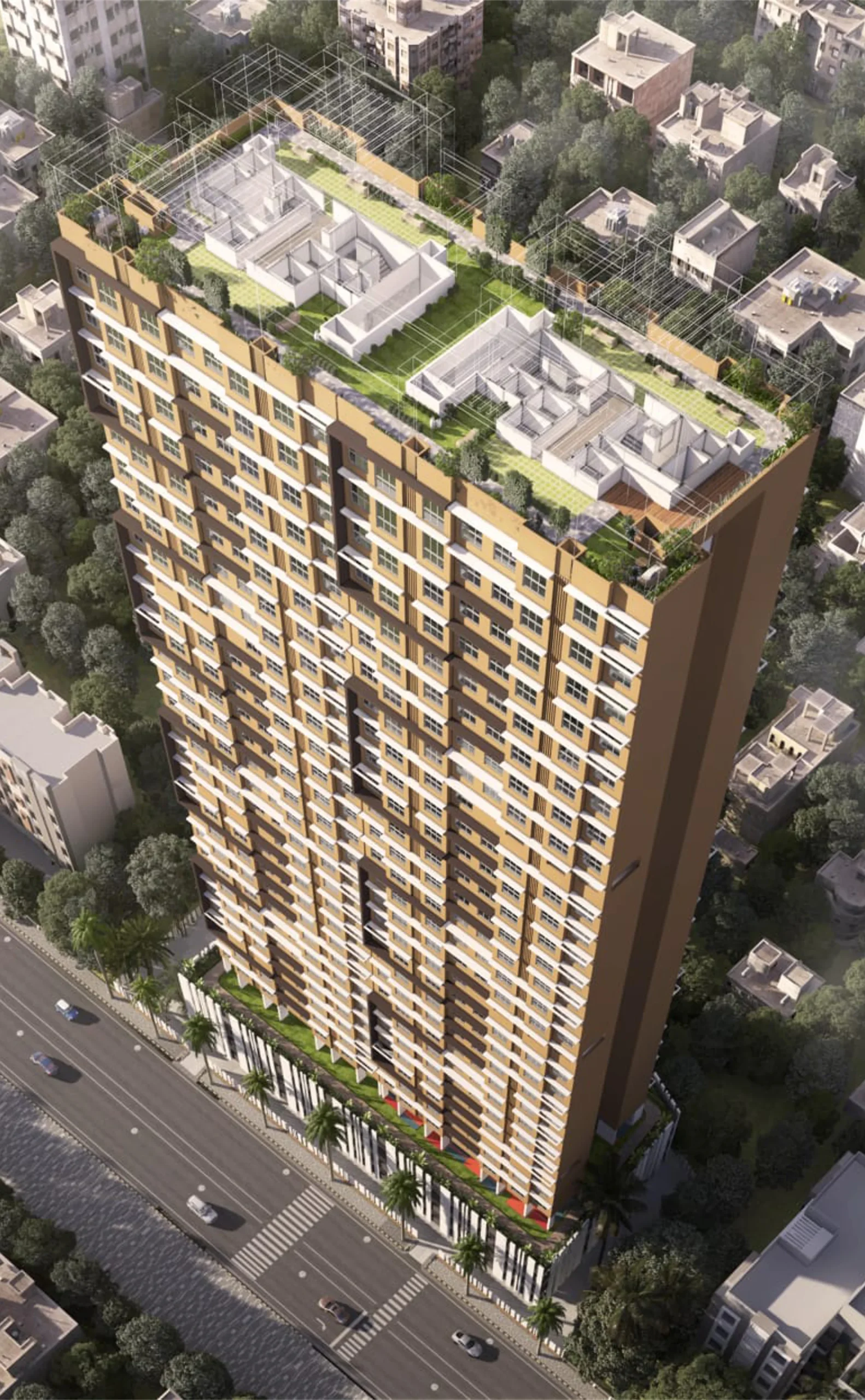
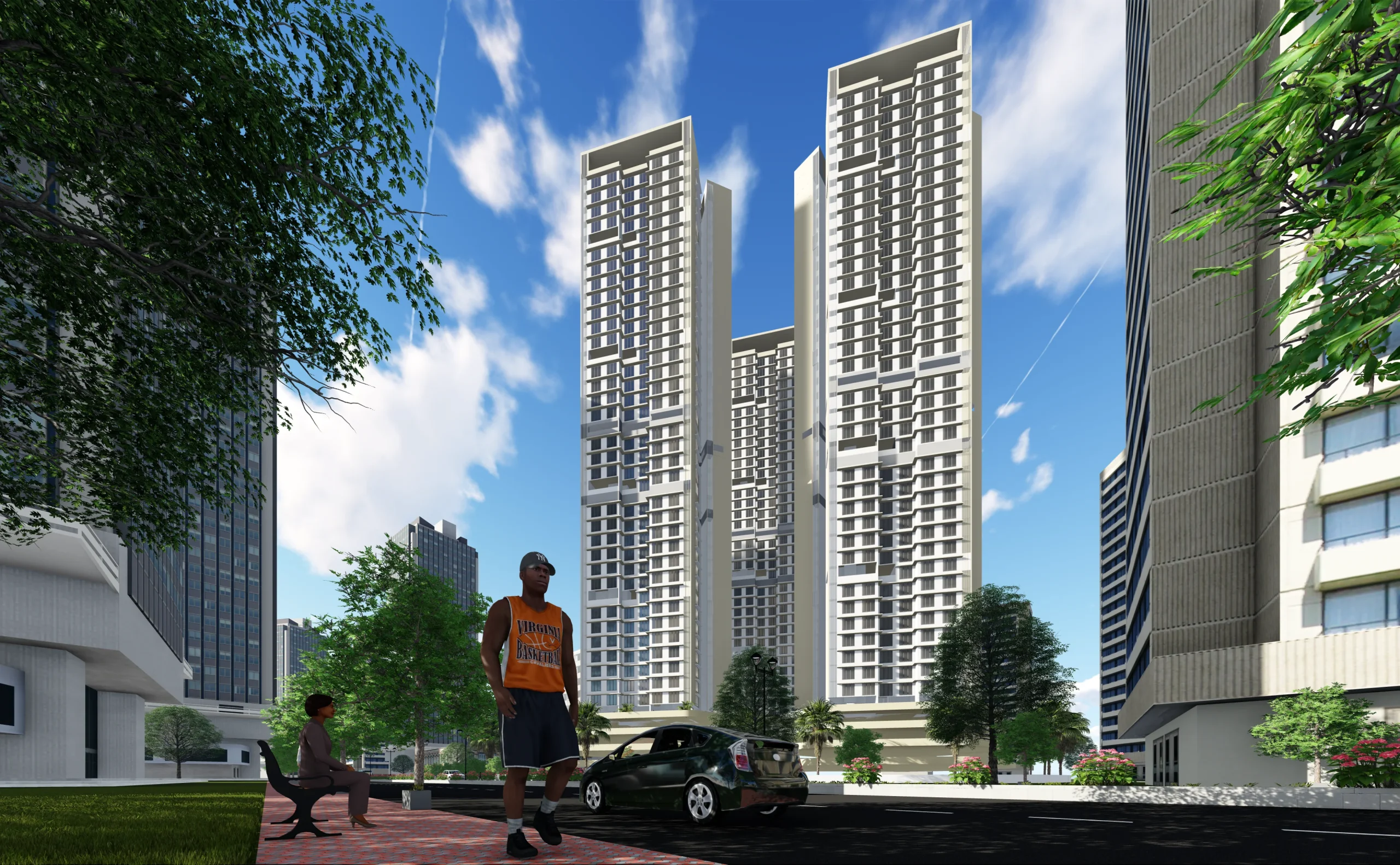
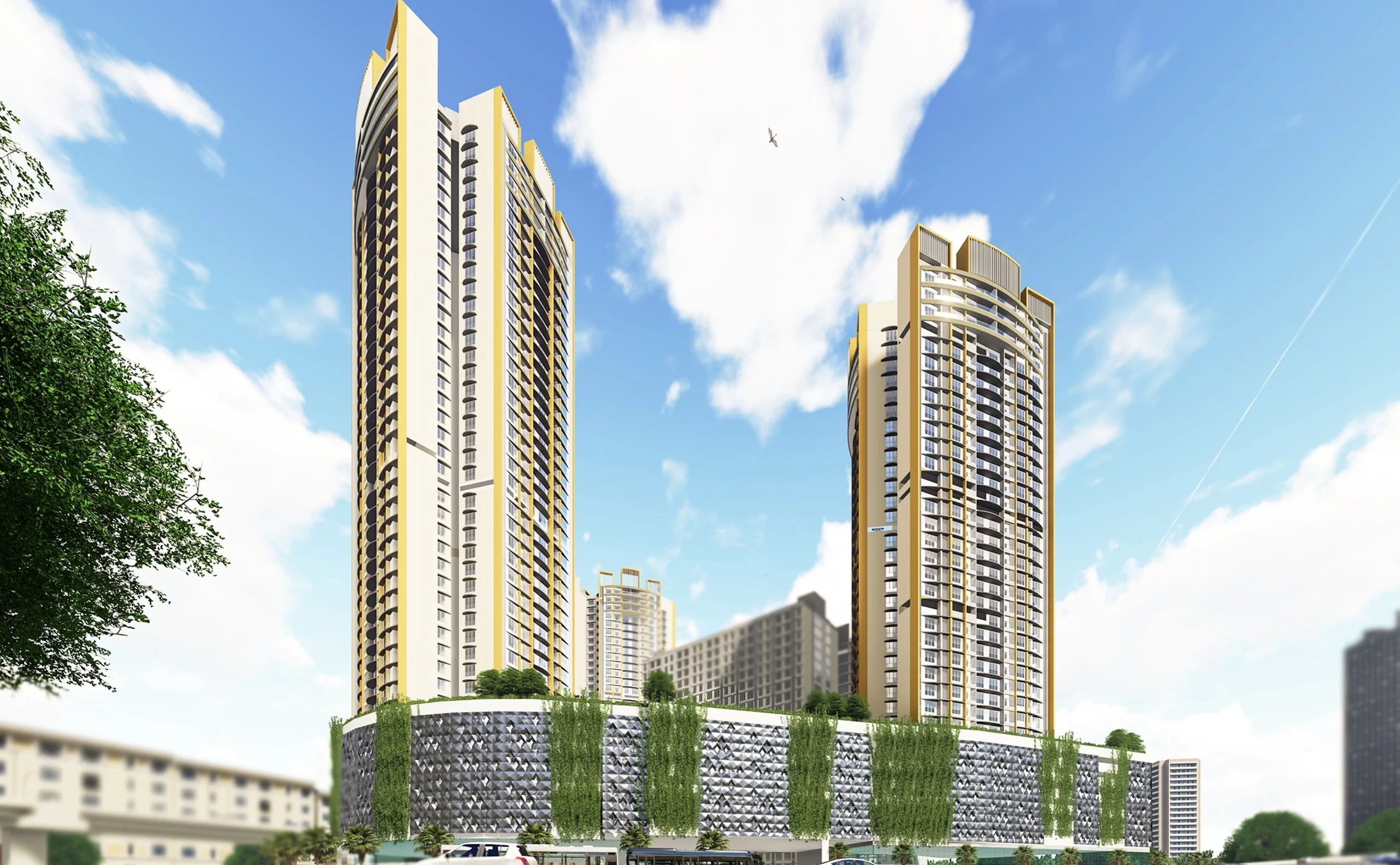
04
Landscape
Landscape begins with the land, long before architecture arrives.
Every place already carries its own character—shaped by earth, water, vegetation, climate, light, wind and time. We begin by understanding these natural rhythms and allowing them to guide how a place is inhabited and how architecture finds its presence within it.
Landscape becomes a composition of ground and sky, shade and sunlight, movement and stillness, growth and change. Trees create rooms, water brings reflection and movement, topography shapes journeys, and open spaces create places for gathering, solitude and discovery.
Architecture enters this living framework with sensitivity, allowing built and natural elements to coexist rather than compete.
Through seasons, vegetation matures, light changes and landscapes continue to evolve—giving places a dimension that architecture alone cannot create.
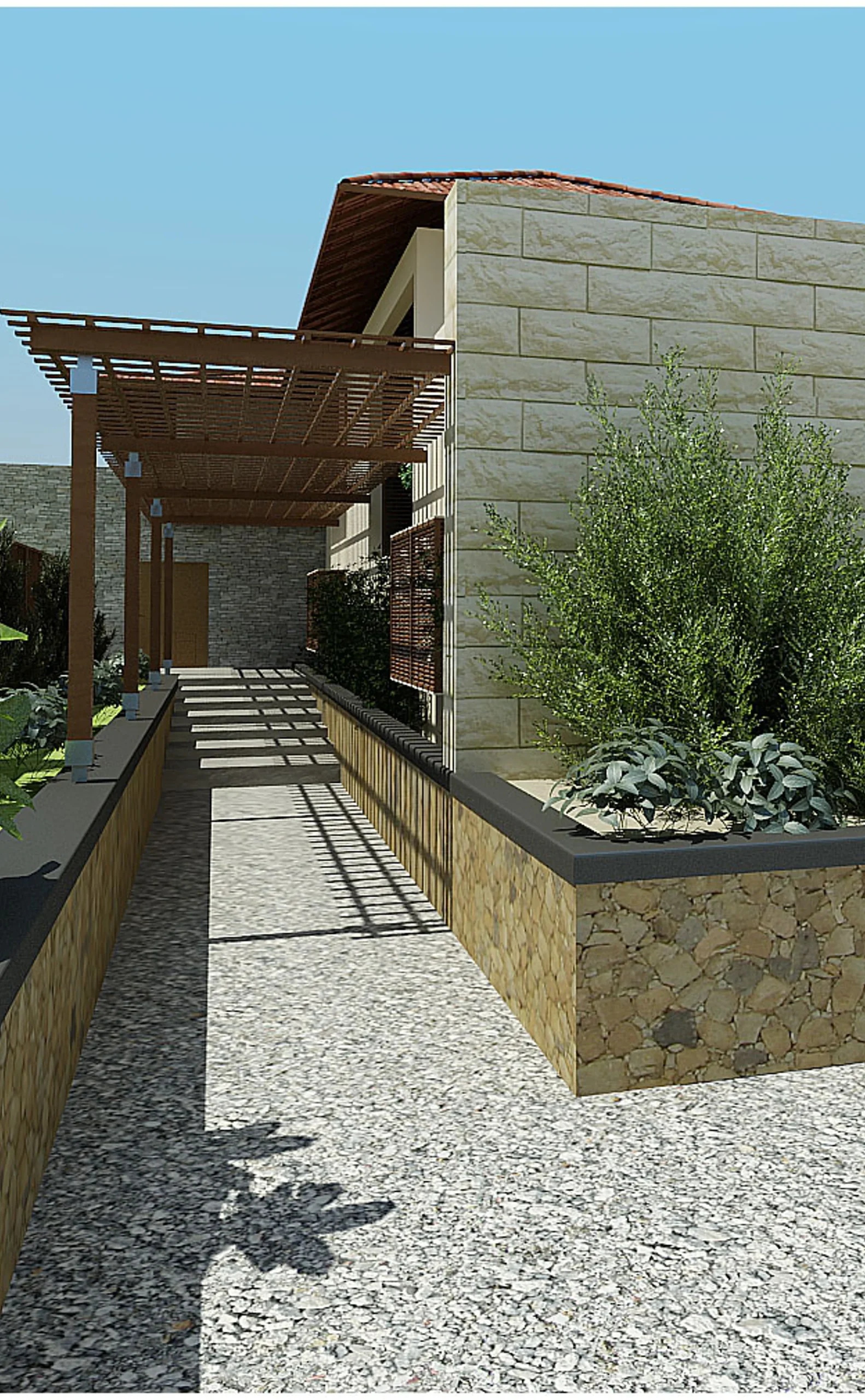
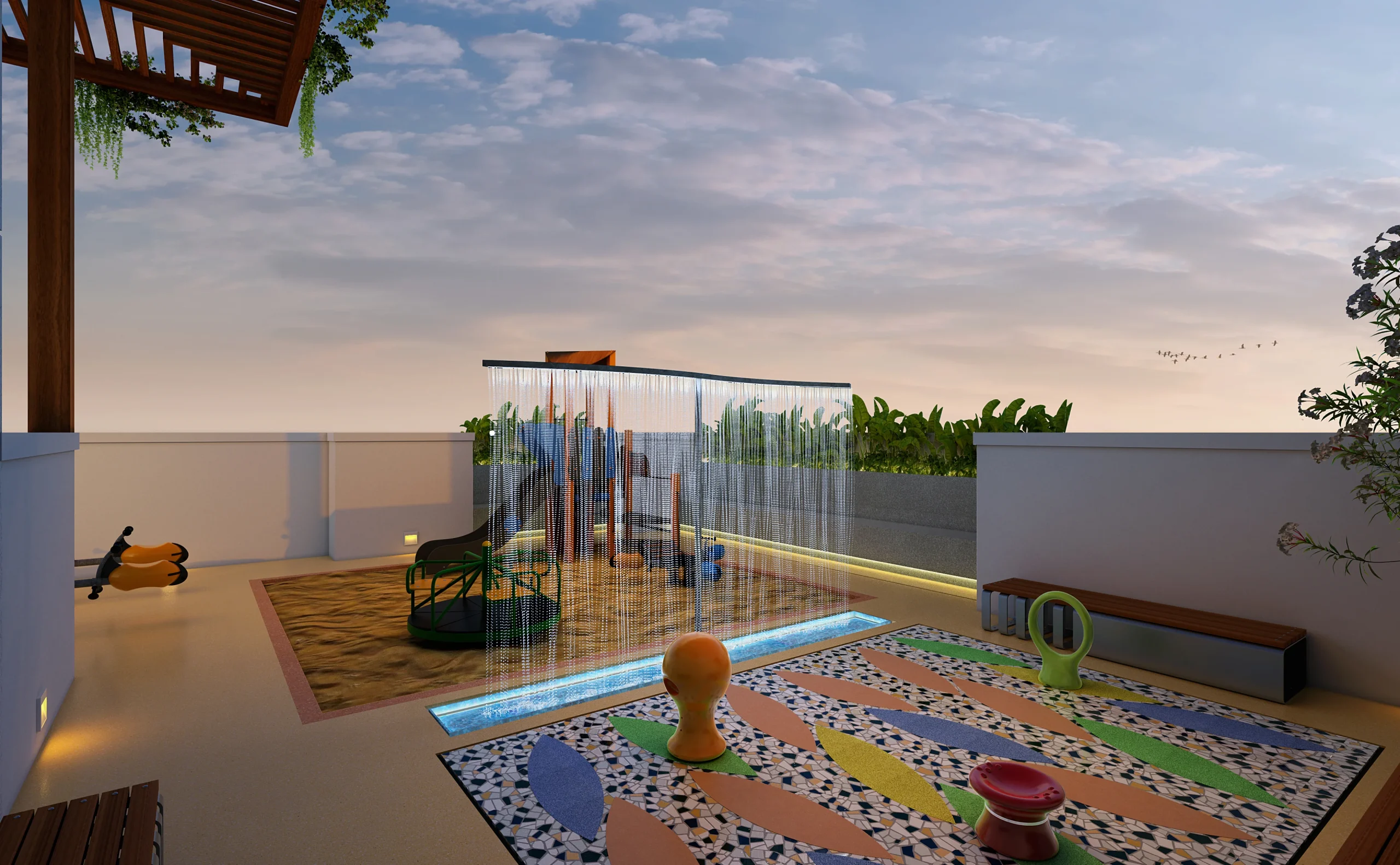
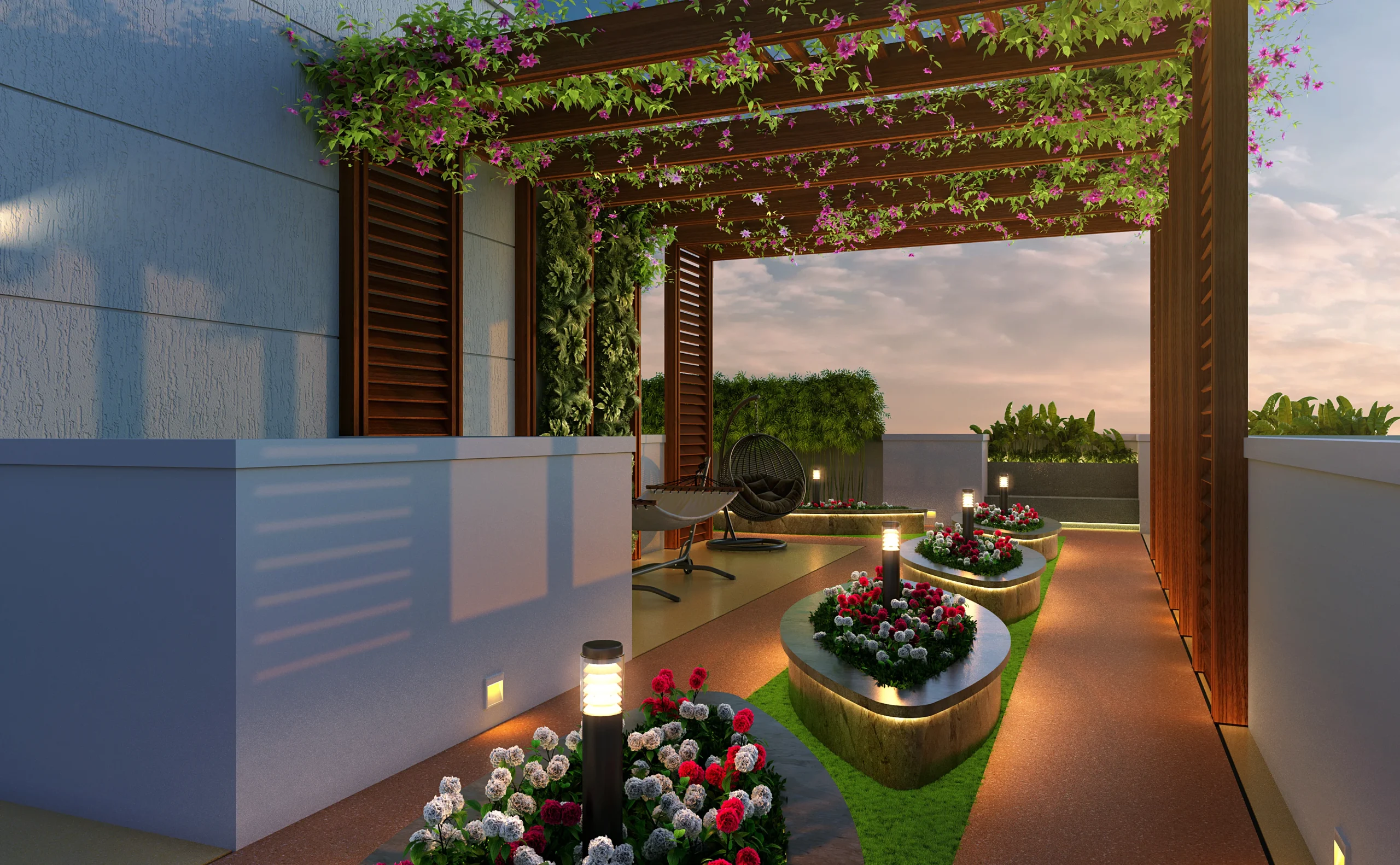
For us, landscape is not shaped around architecture. Architecture finds its place within the landscape.where architecture meets the earth— and where built space becomes part of something living.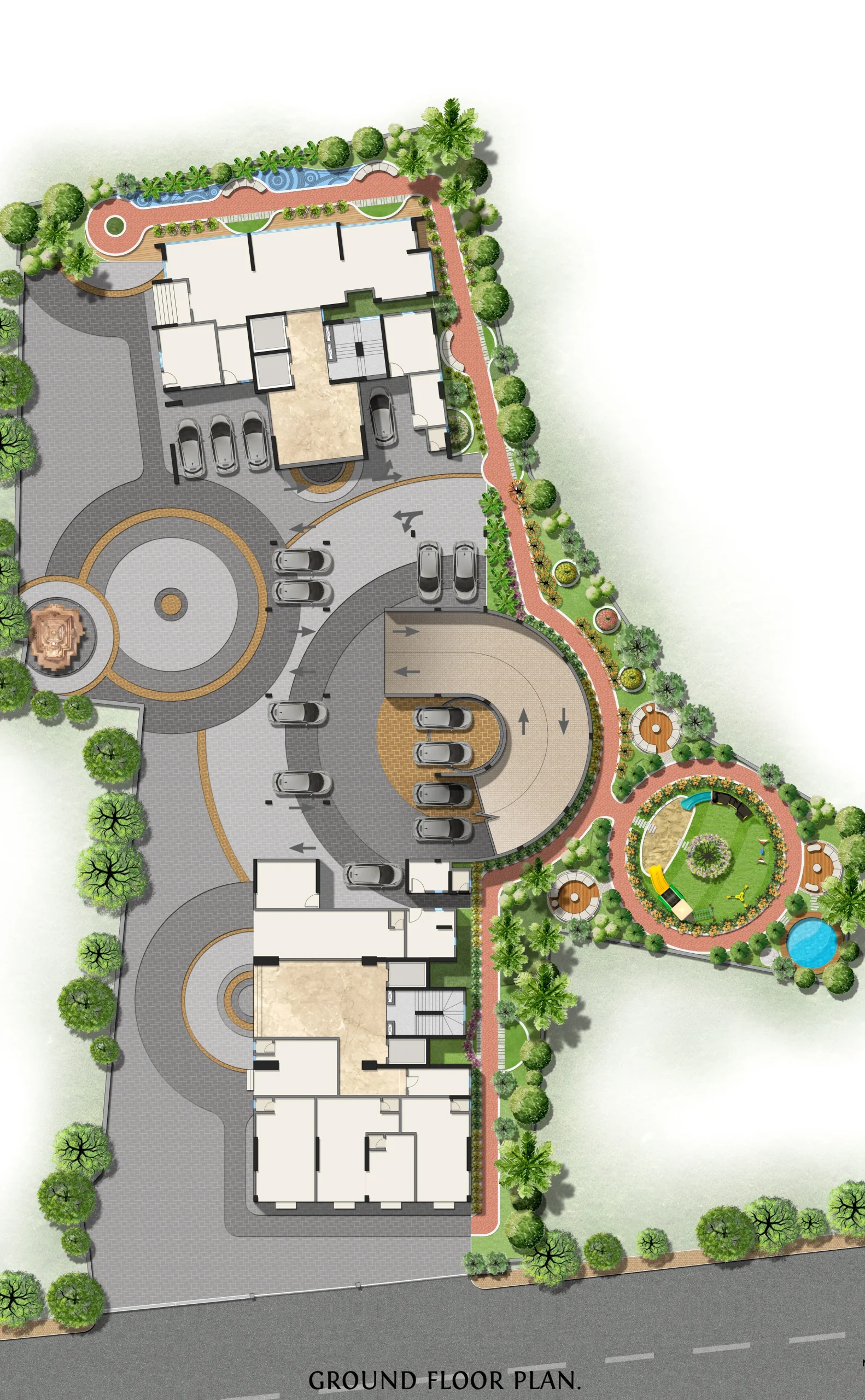
05
Our Process
Architecture begins with a question, not an answer.
Every project carries conditions that belong only to itself—a particular place, purpose, climate, landscape and way of life. Our process begins by discovering these conditions rather than approaching them with a predetermined form.
We observe before we draw. We question before we define. From the first encounter with the land to the meeting of material, light and space, architecture evolves through observation, interpretation and refinement.
We seek clarity over complexity, restraint over excess and meaning beyond appearance.
Before architecture enters a place, the place already has an architecture of its own.
Land, light, wind, vegetation, topography and movement establish an invisible order before the first line is drawn. The sun traces changing geometries of light and shadow; wind finds its paths; trees create shade and enclosure; views establish direction.
We read these conditions not merely as information, but as forces capable of shaping architecture.
The intention is not to place an object upon the land, but to discover what can belong there.
The first act of architecture is not drawing. It is seeing.
Architecture begins to find meaning when requirements become questions.
A programme describes spaces and functions, but life exists in the relationships between them.
How should one arrive? Where should movement slow? What deserves light? What requires shade? What should open towards the landscape? Can a threshold create anticipation, or circulation become an experience?
Through questioning, function begins to acquire hierarchy, rhythm and meaning.
We search for what is essential and remove what is not, because clarity often emerges through reduction.
We do not begin by asking what form a building should take. We ask what gives that form a reason to exist.
A concept is not an image of architecture. It is the idea from which architecture can grow.
It may begin with a courtyard, a wall, a structural rhythm, a landscape, an axis or simply the movement of light.
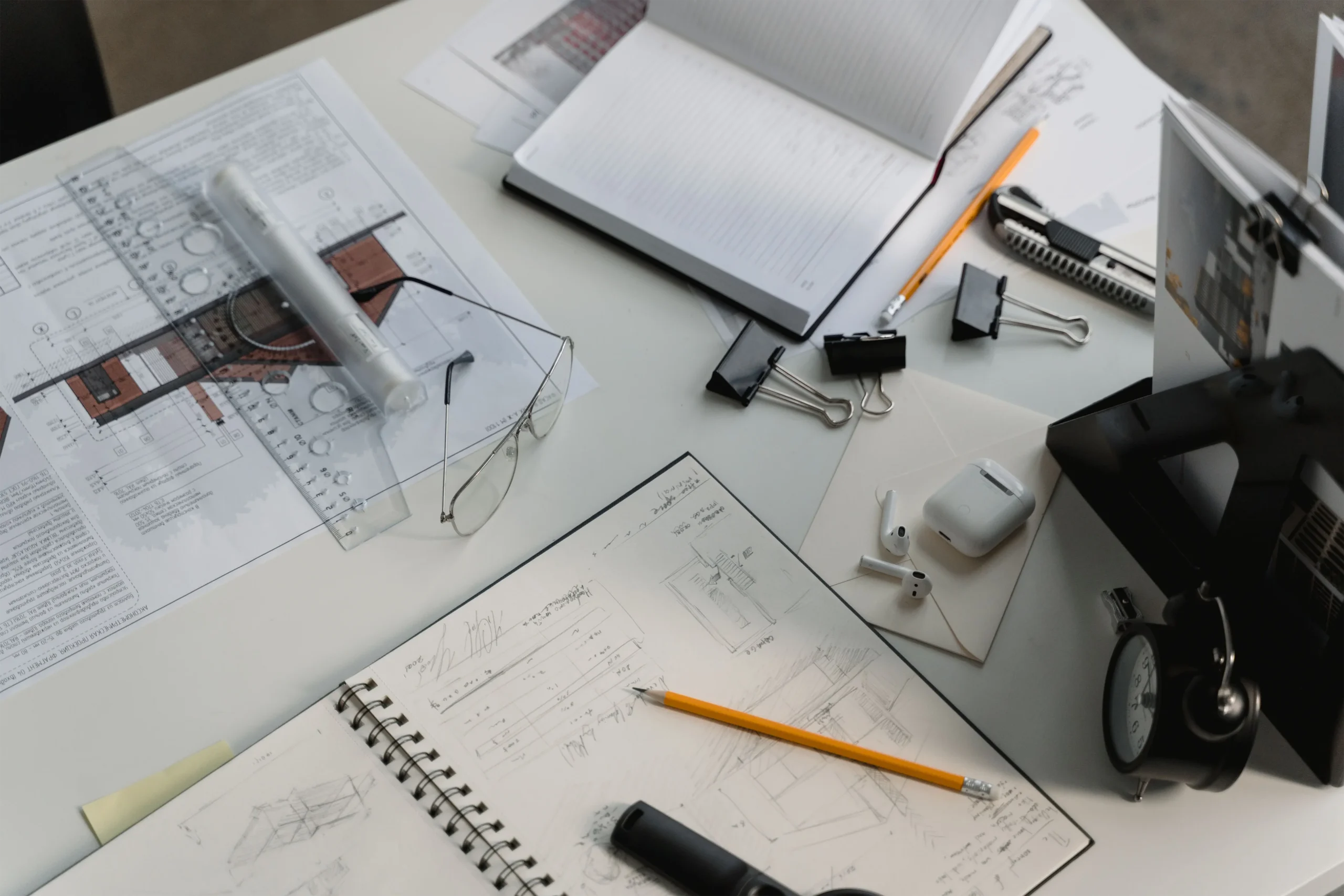
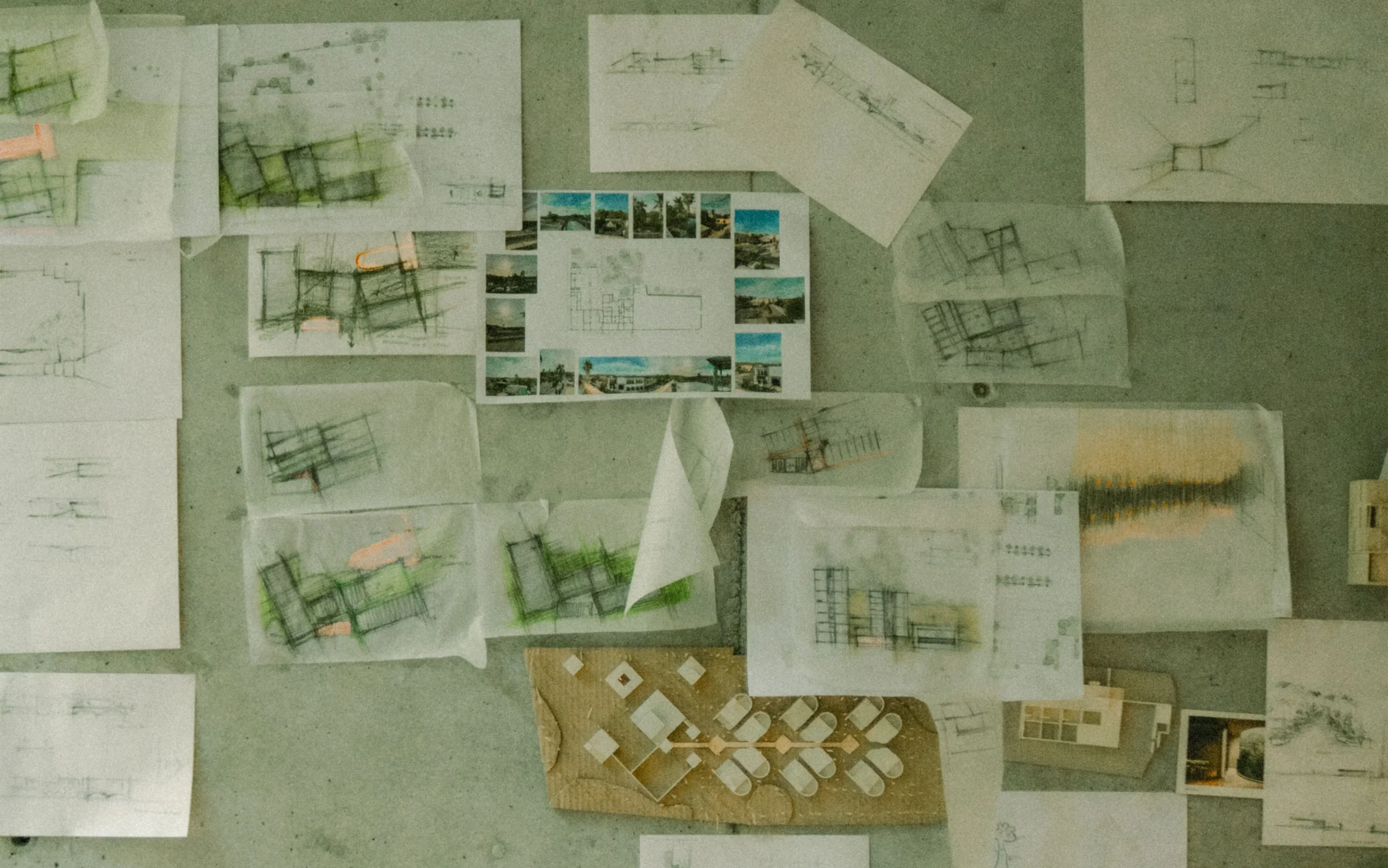
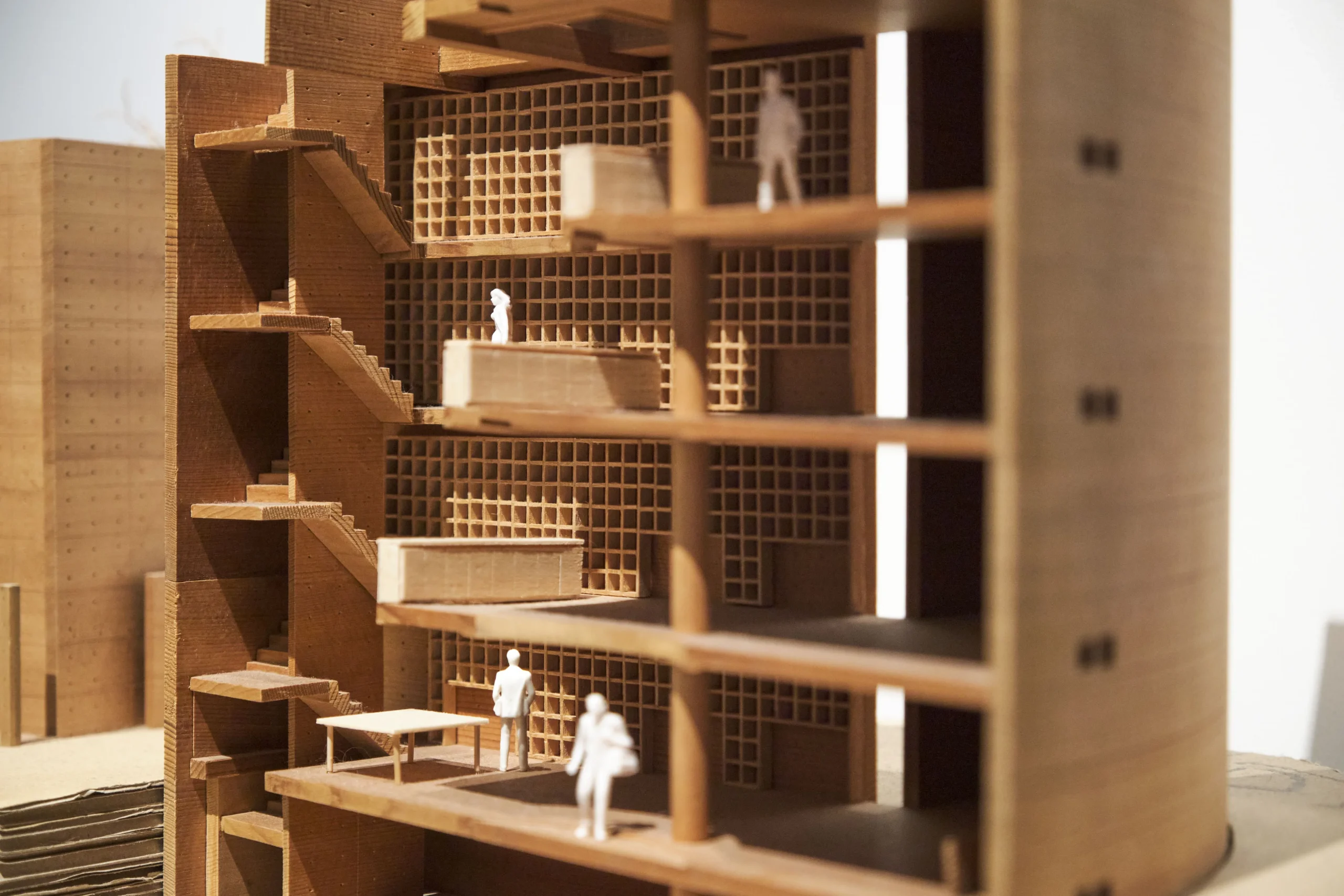
Through sketches, diagrams, models and iteration, relationships emerge between mass and void, enclosure and openness, movement and pause, structure and space.
The concept becomes an invisible thread connecting every scale—from site and plan to material and detail.