Studio
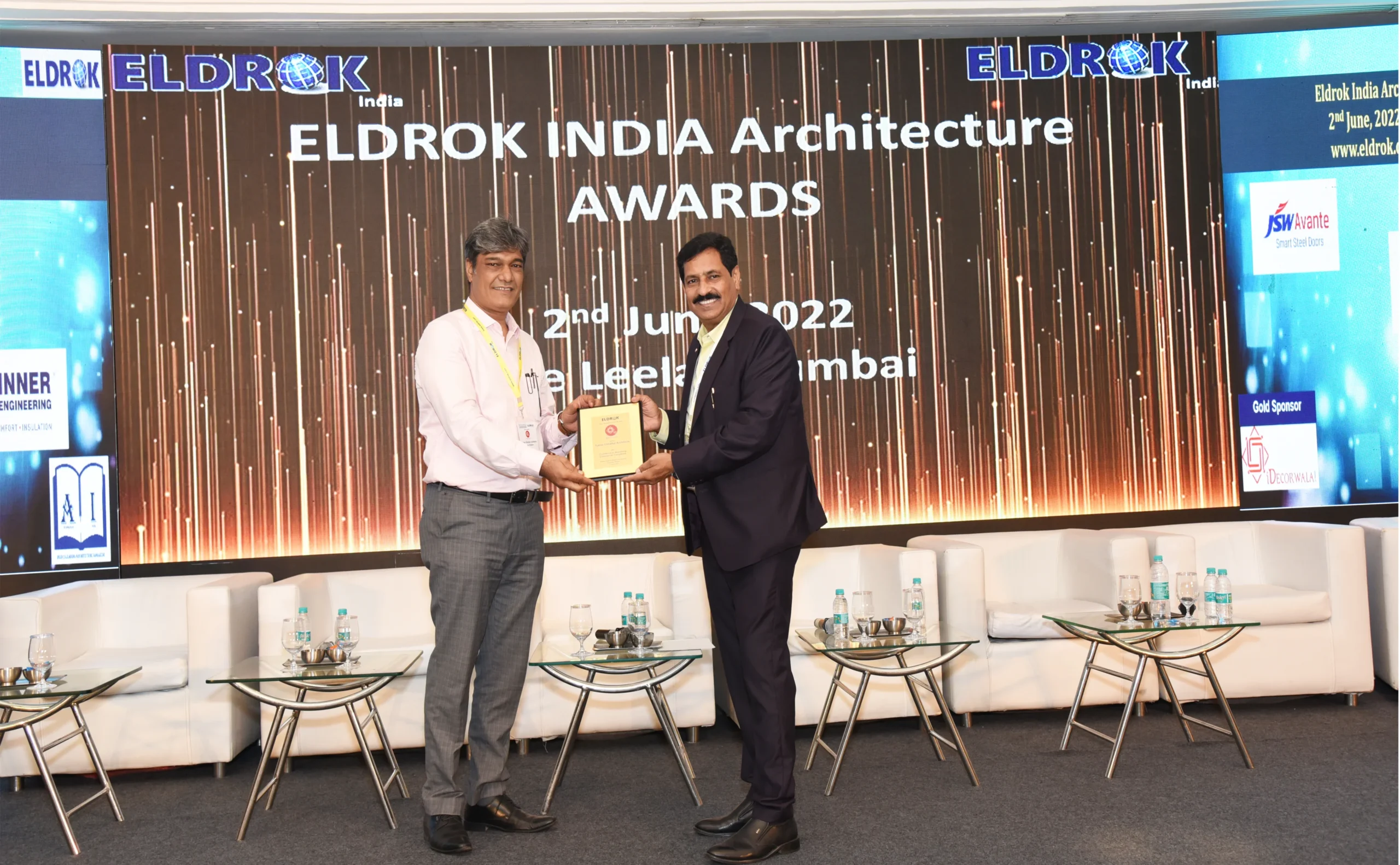
Founded in 2006, Tushar Chhatbar Architects is a practice shaped by the belief that architecture begins not with form, but with life, place and purpose. We see architecture as an art of relationships—between light and shadow, mass and void, inside and outside, permanence and change. Every project is an exploration of these relationships, where space is composed not simply to be seen, but to be experienced. Our work seeks clarity rather than excess. Form evolves from context, climate, material and the rhythms of everyday life. Nature is not treated as an addition to architecture, but as an active presence within it. We believe meaningful architecture does not need to demand attention. It can be quiet and still possess strength; restrained and still evoke emotion. Architecture, for us, is where purpose becomes space, and space becomes experience.
01
Architecture Shapes Life
To create architecture that enriches life, belongs to its place and remains meaningful through time.
We envision architecture as a thoughtful relationship between people, place, nature and the built environment. Our aspiration is to create spaces shaped by purpose, climate, light, material and human experience—spaces that feel natural to their context and meaningful to those who inhabit them.
We seek a timelessness beyond style, where clarity, proportion and restraint give architecture its enduring character. Through environmental responsibility and thoughtful innovation, we aspire to create buildings that evolve with life, mature with time and contribute positively to the world around them.
02
The Practice
Architecture is a practice of imagination disciplined by reality.
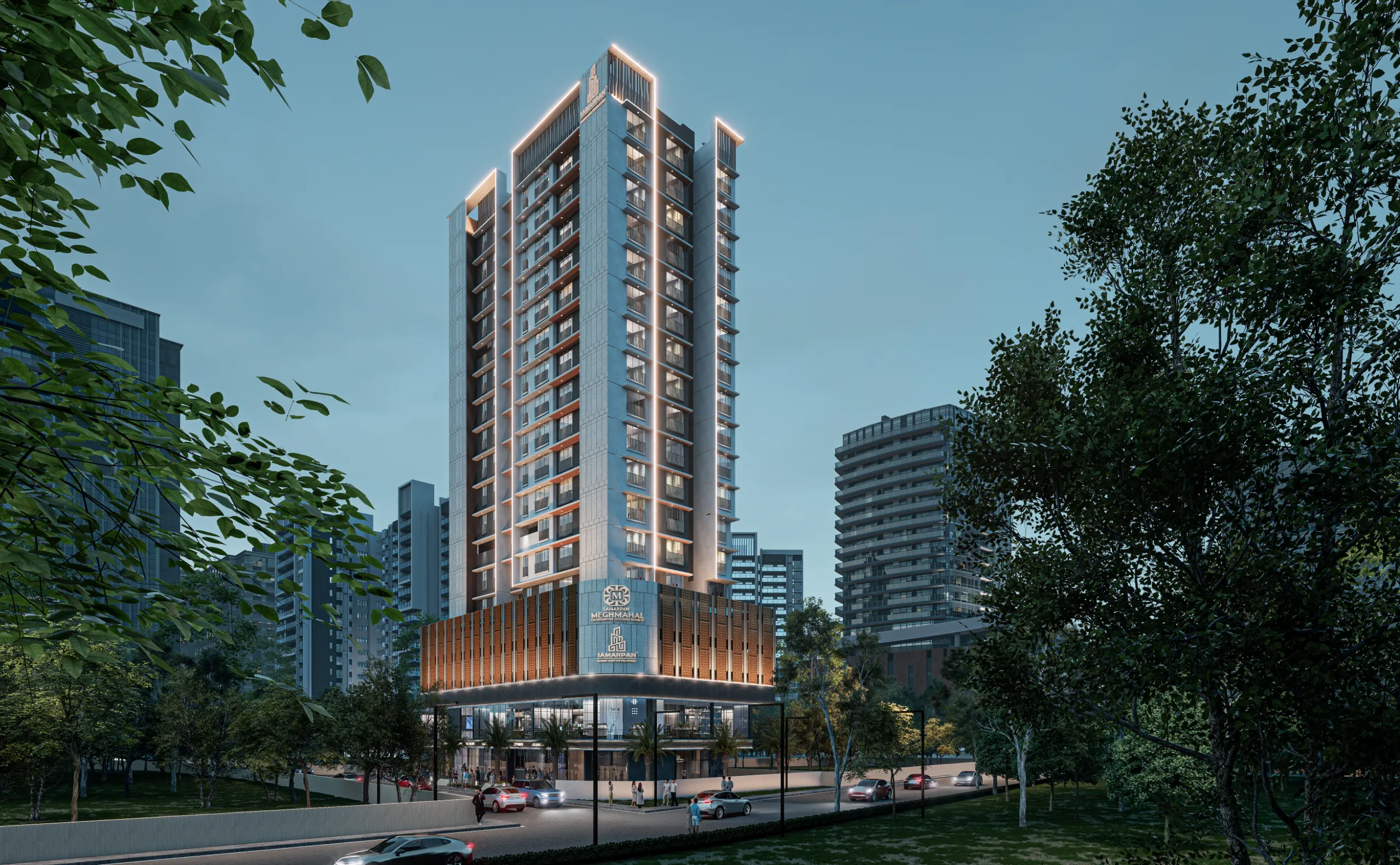
Founded in 2006 by Tushar Chhatbar, the practice has evolved through an ongoing exploration of architecture across residential, commercial, institutional, mixed-use and interior projects. Each commission becomes an opportunity to question, discover and contribute to a continuously evolving architectural language.
We believe every project carries its own possibilities. Place, purpose, climate, material and human experience come together differently each time, asking architecture to respond rather than repeat.
Within the studio, intuition meets precision, drawing meets construction, and imagination is tested through the realities of structure, material and making. Ideas move between sketch and detail, thought and form, possibility and permanence, gradually finding their architectural expression.
Our work seeks neither novelty for its own sake nor solutions borrowed from the past. It searches for an architecture that feels inevitable to its circumstances—contemporary in thought, restrained in expression and enduring in meaning.
For us, practice is not simply the making of buildings.
It is the continuous pursuit of architecture—one idea, one place and one meaningful line at a time.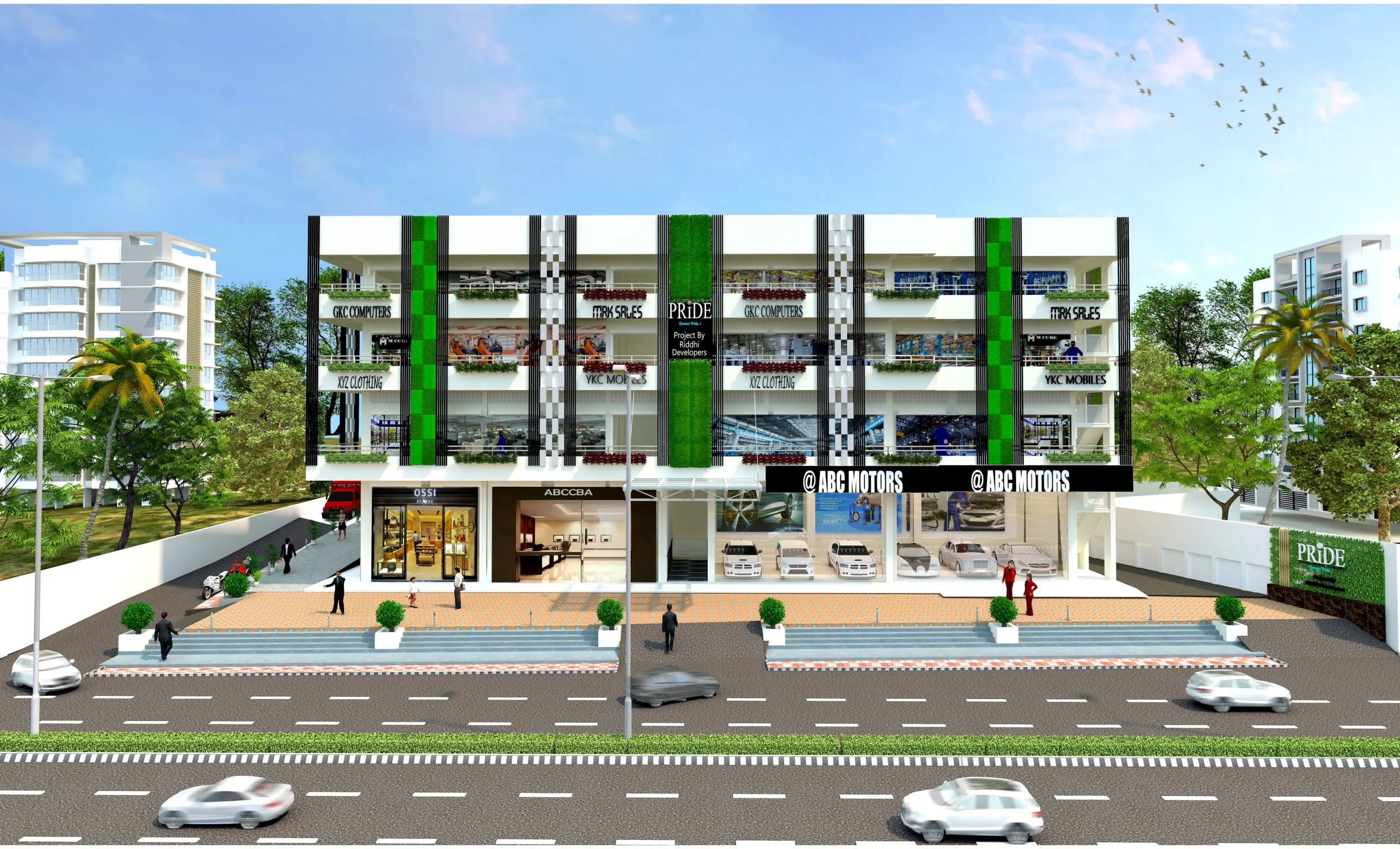
03
Building Responsibly
Sustainability begins when architecture learns to belong to nature rather than resist it.
For us, sustainable architecture is not a technology added to a building. It begins with the fundamental acts of design—how a building meets the land, turns towards the sun, receives the wind, creates shade and allows daylight to shape space.
Climate becomes a design force. Landscape becomes part of the environmental system. Materials are chosen with an understanding of their origin, performance and ability to age with dignity. Technology supports these decisions where necessary, rather than replacing the intelligence of architecture itself.
True sustainability also extends beyond energy and resources. A building that endures physically but loses its purpose with time cannot truly be sustainable. Architecture must have the capacity to adapt, mature and remain meaningful across generations.
We seek buildings where environmental responsibility, human comfort and architectural expression become inseparable.
Because the most sustainable architecture is not simply what consumes less. It is what continues to give more—to people, place and time.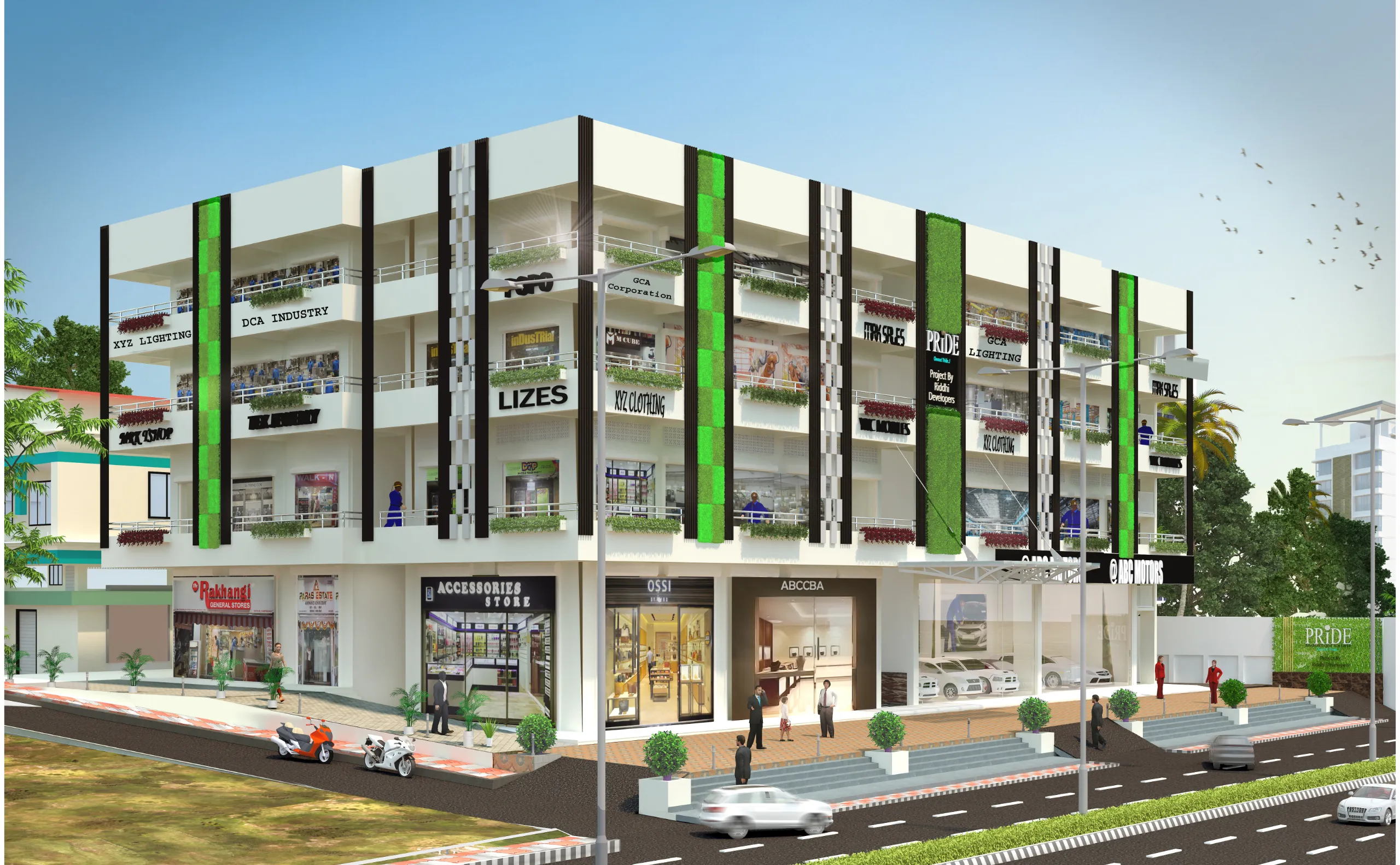
04
Manifesto
To transform purpose into spaces that are thoughtful, responsible and deeply connected to life.
Our mission is to approach every project through careful observation—understanding people, place, climate, context and material before defining form. We explore how light enters, how people move, how nature participates and how spaces can respond intelligently to changing needs.
Through collaboration, research and design, we seek solutions where beauty and performance become inseparable. We use technology with purpose, materials with sensitivity and resources with responsibility.
From the first line to the final detail, we pursue architecture with clarity, integrity and intention, allowing every decision to contribute to the whole.
ManifestoEvery line carries intention. Every space serves a purpose. Every material has a reason.
Architecture begins with life—with the way we move, gather, pause, work, rest and connect. It responds to nature, learns from place and finds expression through light, proportion, material and time.
We believe restraint can create strength, simplicity can hold depth, and thoughtful spaces can quietly transform everyday experience.
Every project seeks to create a meaningful relationship between life, nature and the built environment. Our work aspires to remain relevant beyond trends, valuable beyond completion and enduring through time.
Because architecture is ultimately measured by the life it enriches.
05
Our Philosophy
Life Before Form. Nature Before Technology. Time Before Trends. Meaning Before Monument. These are not rules of style. They express a way of thinking about architecture—placing human life, nature, time and meaning before the making of form. LIFE BEFORE FORM Architecture begins with inhabitation. Before there is a façade, there is a person. Before there is a plan, there is movement. Before there is a room, there is a need to shelter, gather, work, rest or belong. Form should emerge from these experiences. Scale, proportion, movement, threshold, light and enclosure find their meaning through the lives they accommodate. A window is more than an opening; it frames a view, admits light and connects inside with outside. A courtyard is more than a void; it can become landscape, climate and the social heart of a building. We do not shape life to fit a form. We allow life to give form its reason. NATURE BEFORE TECHNOLOGY Climate is one of architecture's oldest materials. Sun, wind, shade, vegetation and water have shaped architecture long before mechanical systems existed. We begin with orientation, daylight, natural ventilation, thermal mass, shading and landscape, allowing the building itself to respond intelligently to its environment. Technology remains important, but it should enhance good architecture rather than compensate for its absence. Sustainability, therefore, is not something added to architecture. It is architecture working with nature. TIME BEFORE TRENDS Architecture should belong to its time without being consumed by it. Trends pass. Buildings remain. We seek permanence through proportion, materiality, structure, spatial clarity and light rather than visual novelty. Over time, materials weather, landscape matures, patterns of life change and spaces acquire memories. Architecture should have the capacity to absorb these transformations without losing its essence. The true measure of a building is not only how it appears when completed, but how gracefully it continues to live. We design for the present, with an awareness of what should endure. MEANING BEFORE MONUMENT Architecture does not need to shout to have presence. Its power may lie in the depth of a threshold, the rhythm of a structure, the texture of concrete, the shadow of a wall or the silence of a courtyard. We seek identity through clarity and restraint, allowing structure, material, light and landscape to become the architectural expression. The ambition is not simply to create an object that demands attention, but a place that enriches those who inhabit it and belongs meaningfully to its context. Monuments ask to be remembered. Meaning gives us a reason to remember. Life gives architecture its purpose. Nature gives it intelligence. Time tests its relevance. Meaning gives it permanence. Together, they allow form to emerge not as an aesthetic gesture, but as an expression of purpose, place and experience. Life Before Form. Nature Before Technology. Time Before Trends. Meaning Before Monument.